We arrive in Santa Cruz, Bolivia in the dead of winter. I know much has changed since the last time I was there in 2002, so I ask my best friend from high school, Ana Carola, to meet us at Cafe Victory, an old hangout spot we used to frequent in high school. We get to Cafe Victory around noon, and except for a few old men, the cafe is deserted.

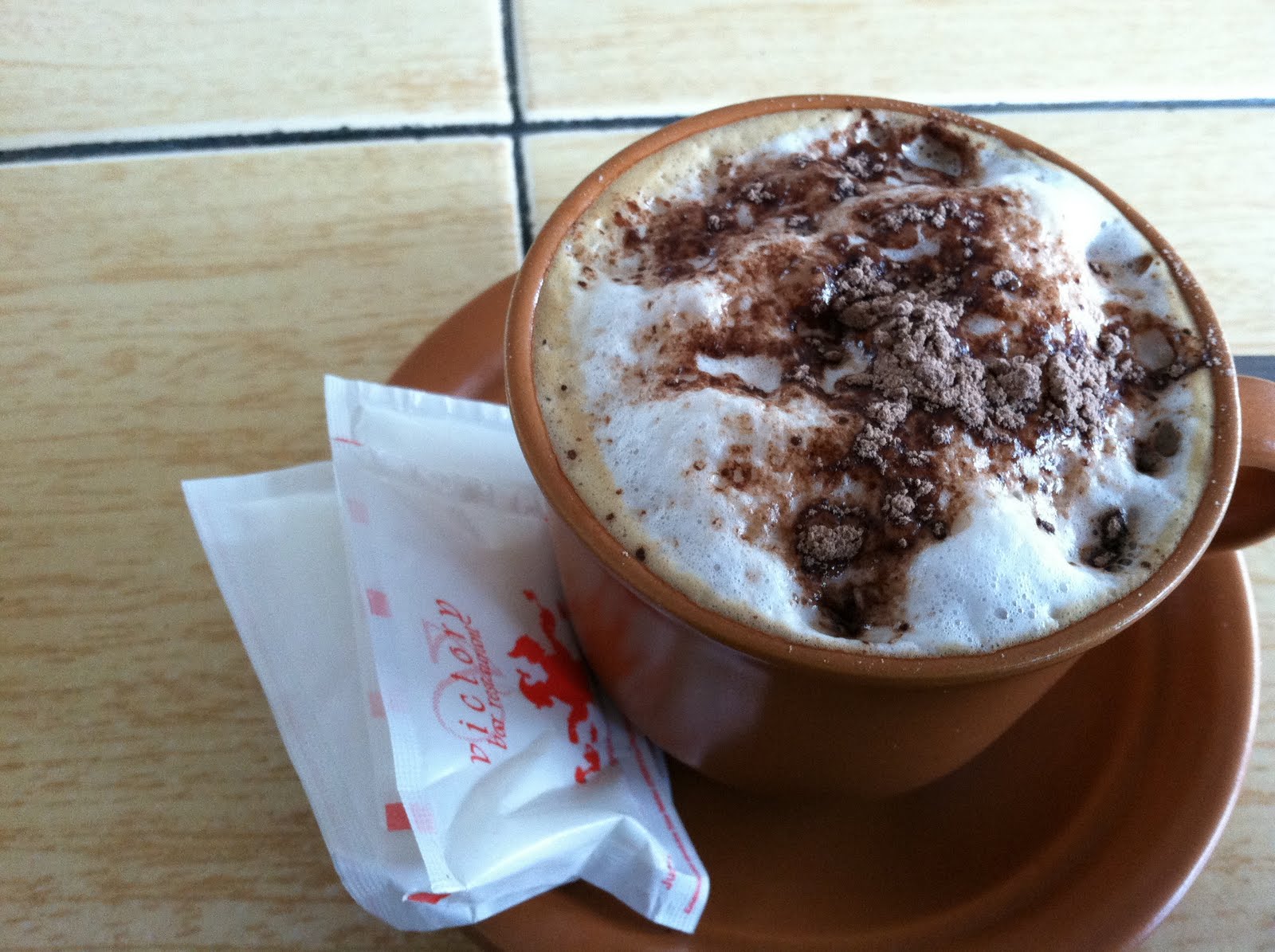
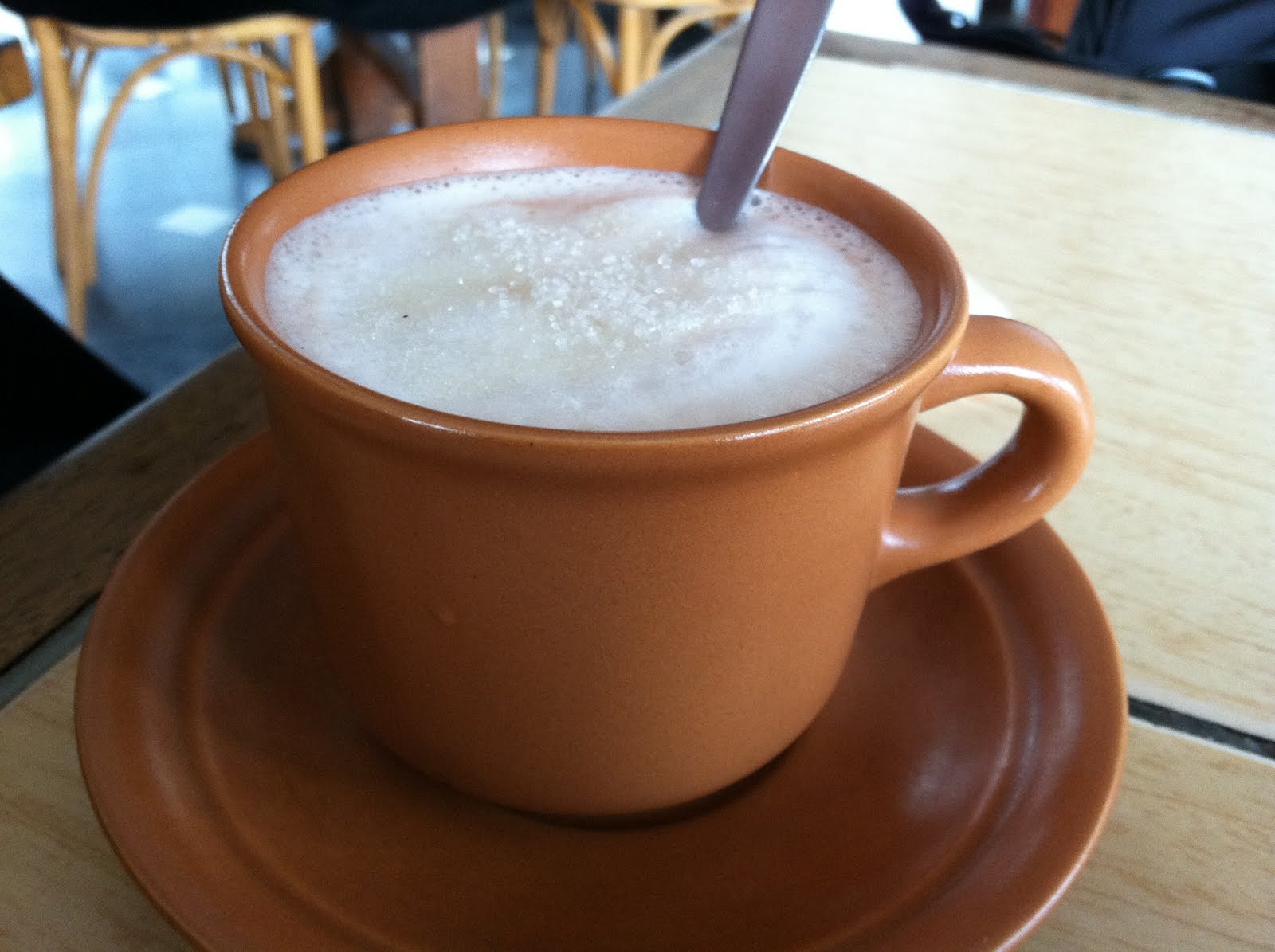

Ana Carola meets us and takes us down the block to her favorite hangout spot, Lorca.
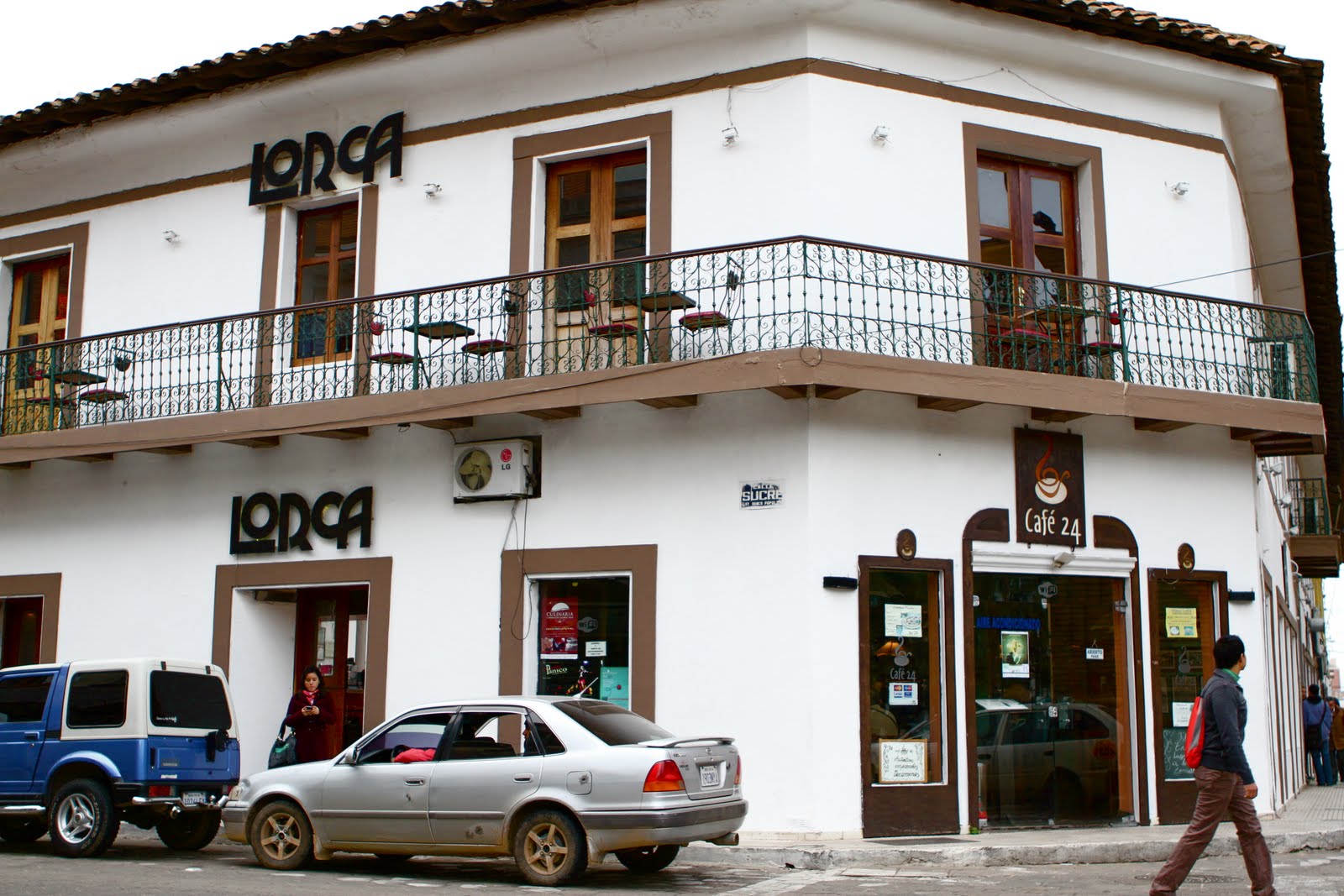
She’s good friends with the manager, Ubaldo Nallar, who is also an actor, producer, theater director, dramaturge, and cultural manager. Felipe Ibarreche, who is also the Bachelor of Tourism and Cultural Heritage Conservation expert, is the mixologist and part of Lorca’s administrative team.
Ana Carola is there around three times a week and gushes that it’s expanded to two stories, and outdoor area, and many indoor quarters. At night, a dj spins and it becomes a lively hot spot with the local artsy crowd, very open to foreigners, and a go-to spot for the Santa Cruz elite.
Lorca, named after Federico del Sagrado Corazón de Jesús García Lorca (talk about a long name), the famous Spanish poet, dramatist and theatre director (sense a pattern here?) is known for their French-Arabian food and a huge wine list as well as opening up their space for theatre plays, concerts, art exhibits and auctions, record releases, workshops and indie film screenings. Talk about an artist’s haven!
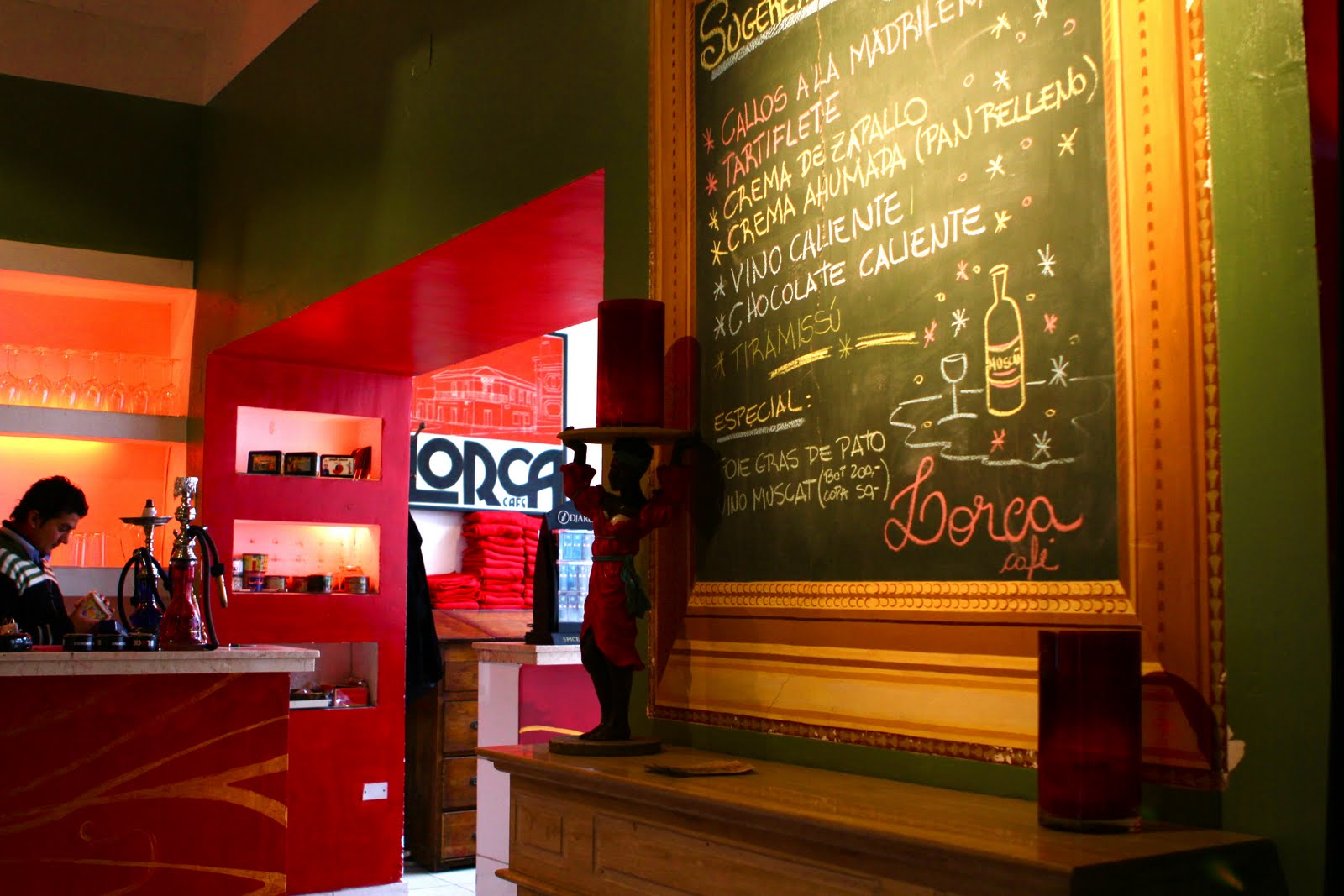
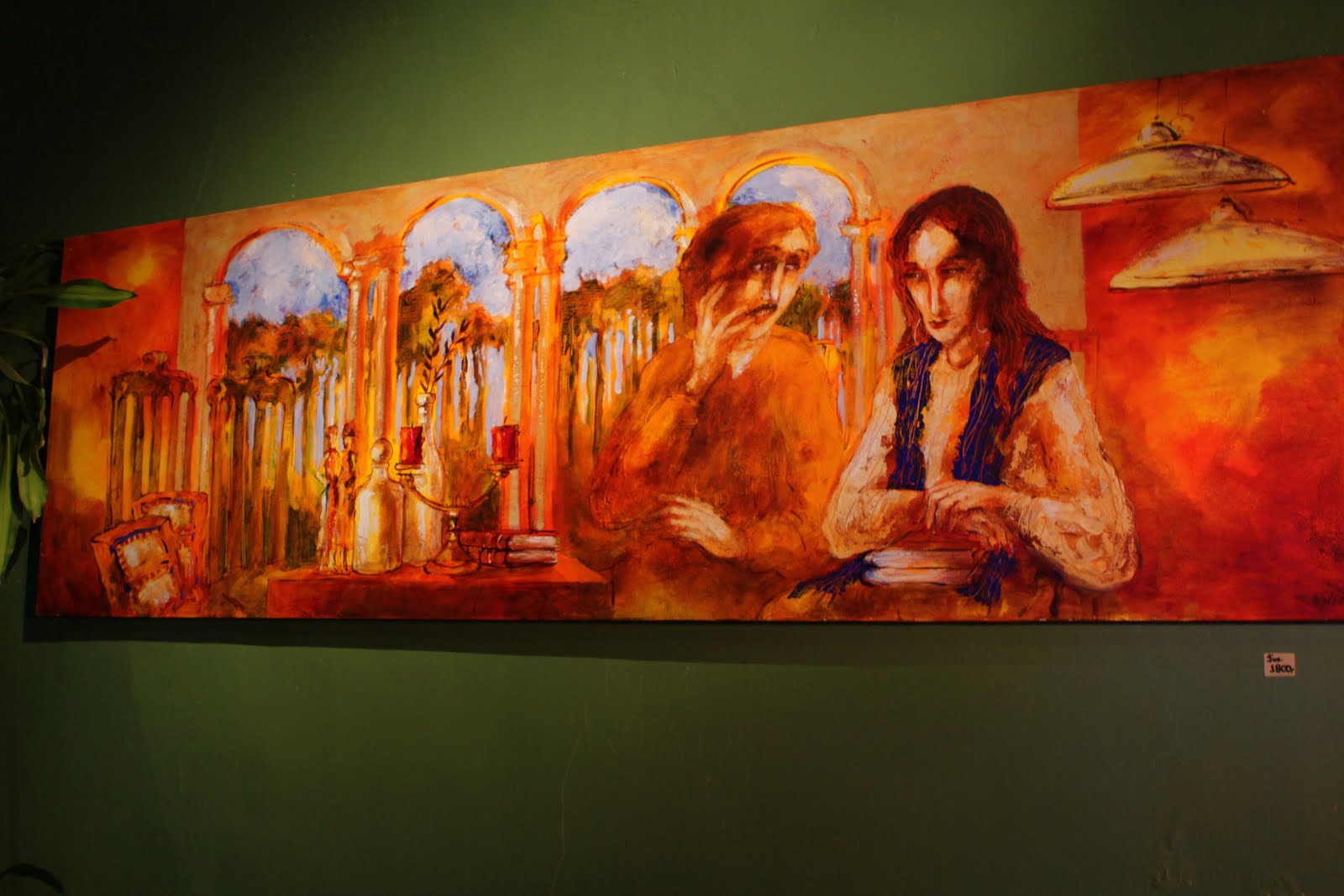
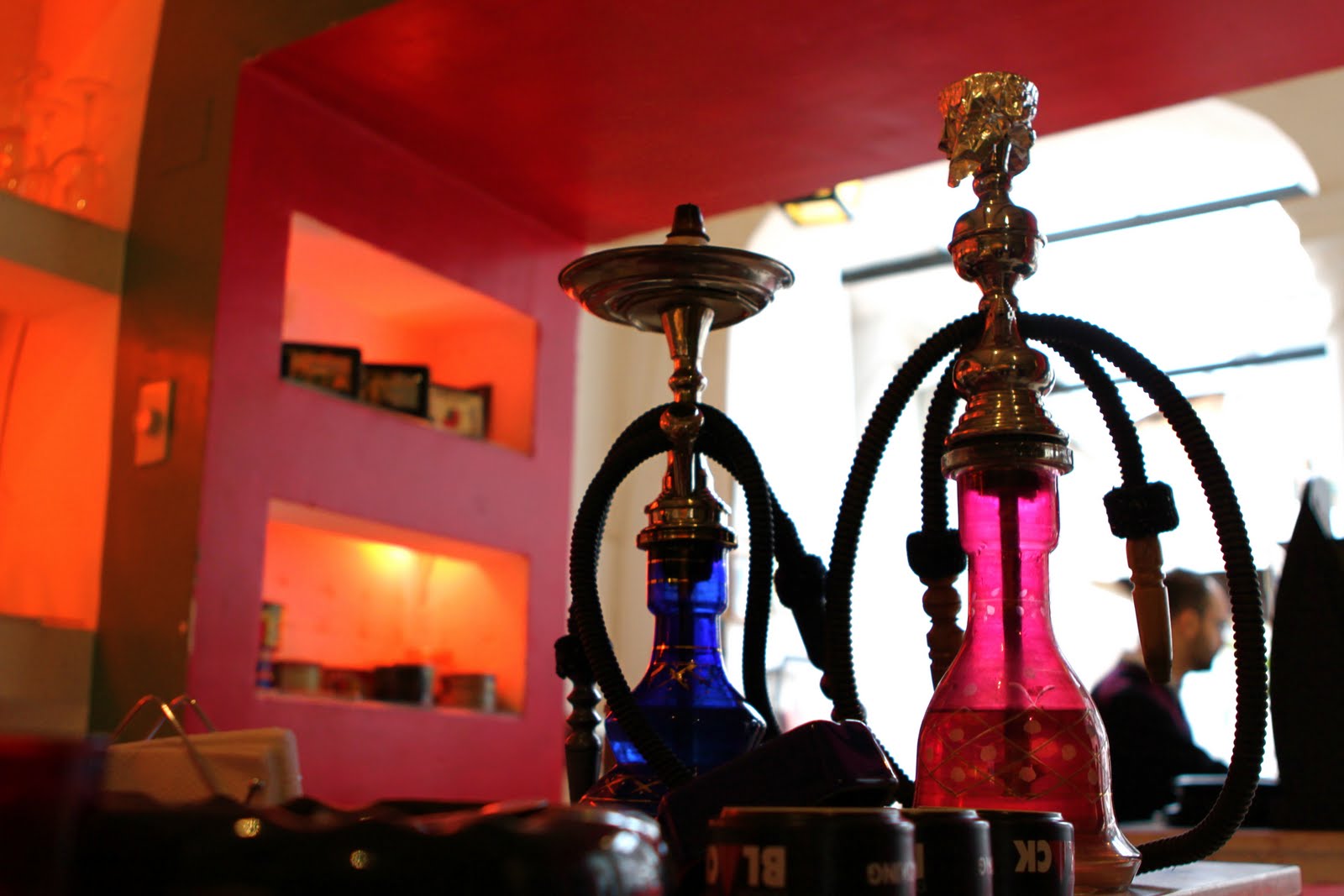
The moment we enter Lorca, we are enveloped by the bold interiors. The first room we are in is painted in green, orange, and red, with a gold-rimmed chalkboard menu, contrasting paintings, vintage hookahs on the bar, and some tables and chairs.

Rounding the corner is the outdoor patio area, speckled with red chairs. The black, white, and red decor matches their bold logo design. Along with the Spanish style architecture of the building, which is right next to the Plaza and the historical church of Santa Cruz, I feel like I’m transported to another time, another place. Wait, I technically am…

Lorca has wine from all over the Americas, Europe, etc. They even have Bolivian wine, which is amazing since I never knew Bolivia even made wines.


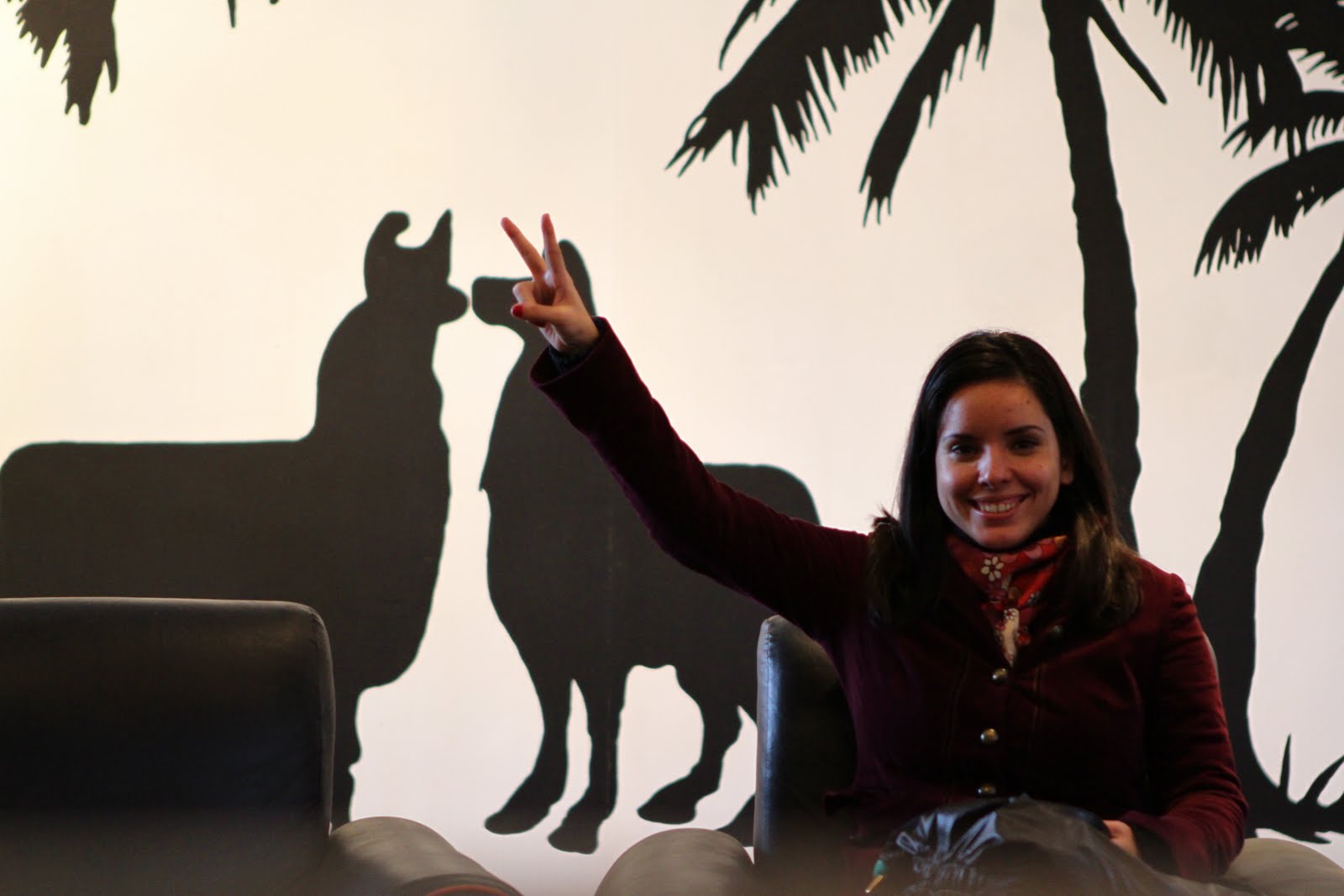
There are many different rooms at Lorca. The one below has interesting decals. I believe this is the hookah room.
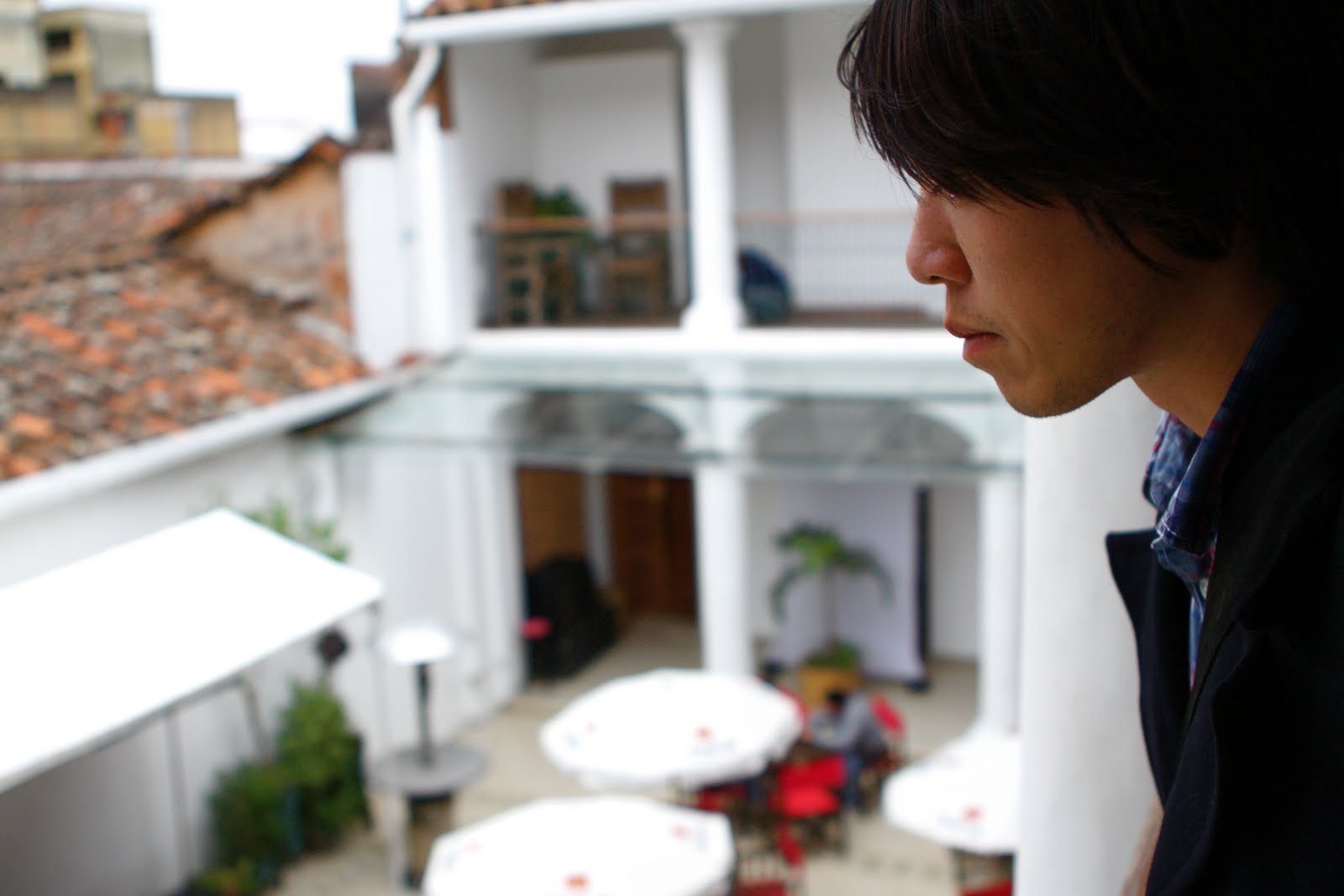
One of the greatest things about this cafe/restaurant/bar/club/theatre space is the beautiful view of the Plaza 24 de Septiembre, the city’s primary and central plaza. To the left of this view is the church, Catedral de San Lorenzo, built in 1770.
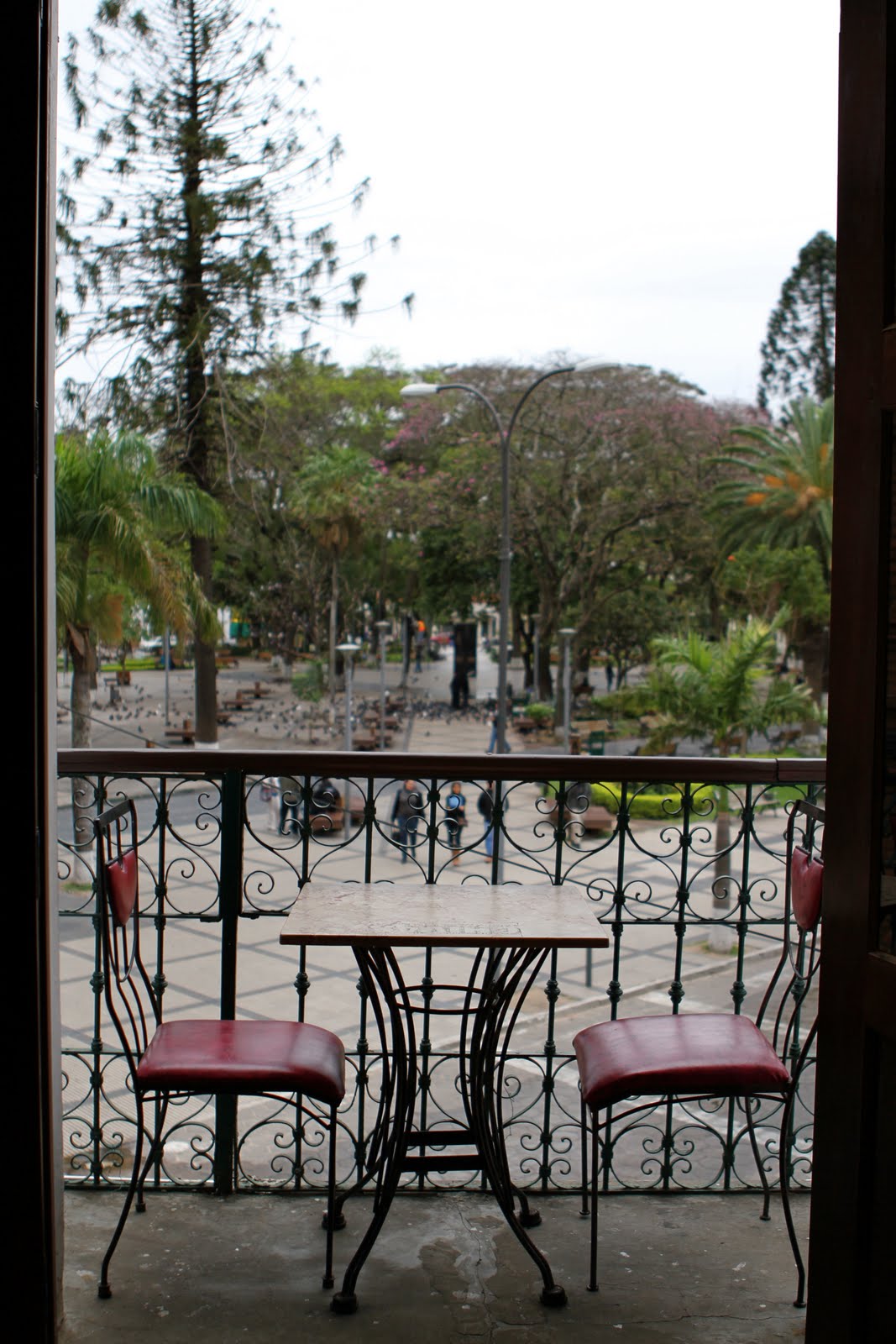
Because it is so cold, sitting in this particular table would be masochistic.

We start with the Foie Gras ($14 USD) accompanied by local Bolivian bread. This is straight from France, imported by a local.


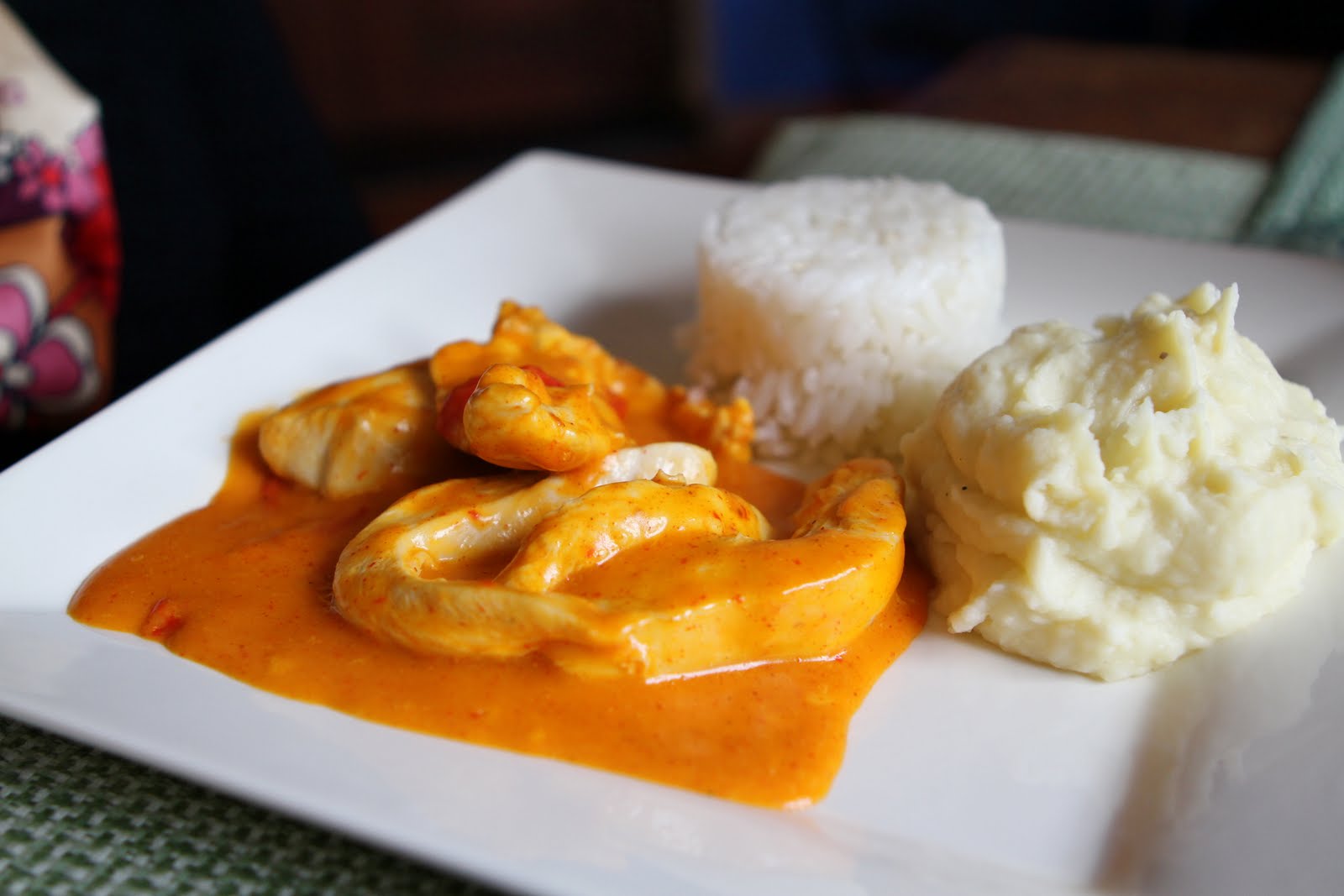
Ana Carola gets the Moqueca ($7 USD), which is a dish influenced by the Bahia region of Brazil where the cooking is very much derived from Africa. Moqueca Bahiana is basically a stew with vegetables, spices, with coconut milk and dendé oil (palm oil). The meat of choice here is chicken. To me, it seems more derivative of Thai cuisine than African – at least from the look and smell. The potatoes are mashed here.


My favorite dessert is the Aladino, or the Aladdin, which is also yogurt with agar to make it gel up into this thick pudding consistency but the yogurt itself is infused with rose water so it has a floral scent to it, which is intoxicating. The dates add the sweetness to it and conceptually, it really does live up to its name. Some trivia: my dad’s Bolivian name is Aladino (after his textile store). Hence, this is doubly special to me.


Watch it on trip films.




 Quiero darte las gracias de nuevo por haber pensado en mi para este premio. Los invito a visitar el blog de Marina, que estoy segura les gustara y sera de mucha utilidad para conservarse saludables.
https://consejonutricion.wordpress.com
Quiero darte las gracias de nuevo por haber pensado en mi para este premio. Los invito a visitar el blog de Marina, que estoy segura les gustara y sera de mucha utilidad para conservarse saludables.
https://consejonutricion.wordpress.com


 Sabores de Bolivia

Deja un comentario