Tag Archives: Cafe

LORCA – Santa Cruz, Bolivia

19 Ago


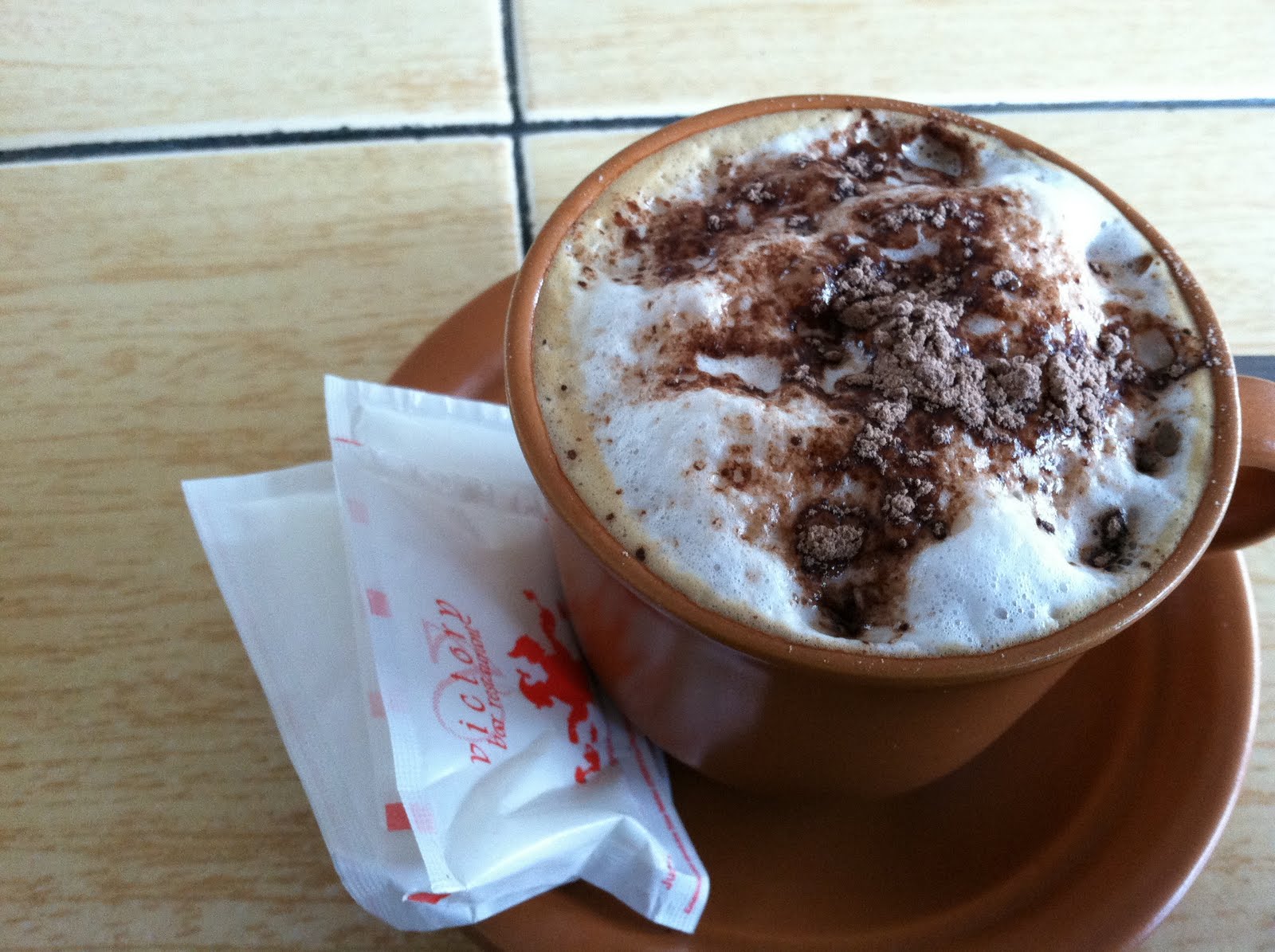
We arrive in Santa Cruz, Bolivia in the dead of winter. I know much has changed since the last time I was there in 2002, so I ask my best friend from high school, Ana Carola, to meet us at Cafe Victory, an old hangout spot we used to frequent in high school. We get to Cafe Victory around noon, and except for a few old men, the cafe is deserted. 


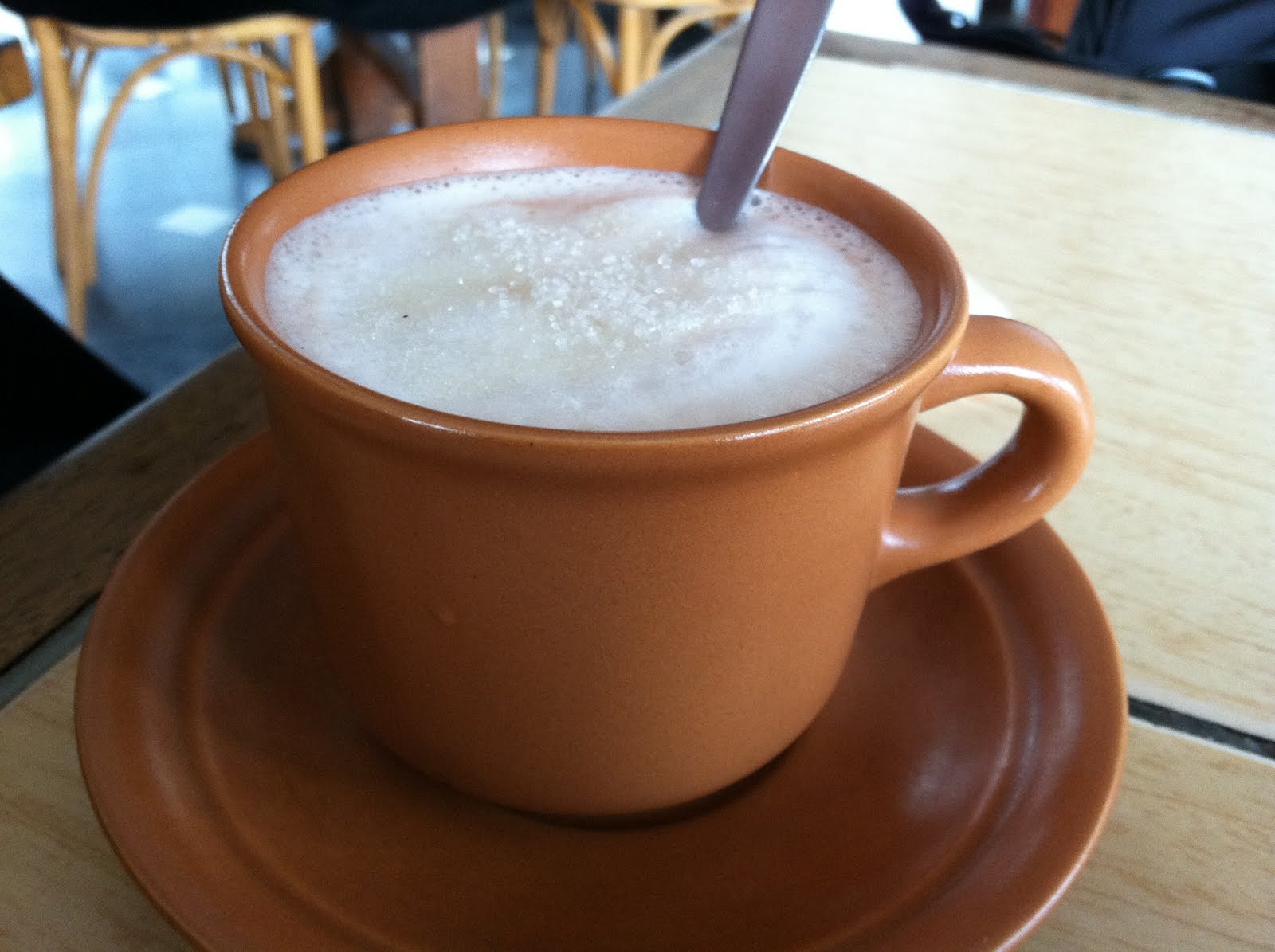
We order a cup of coffee and hot chocolate to stave off the freezing cold. Whoever thinks South America is a tropical paradise has never come here during the winter (summer for the U.S. is winter in South America, and vice versa).


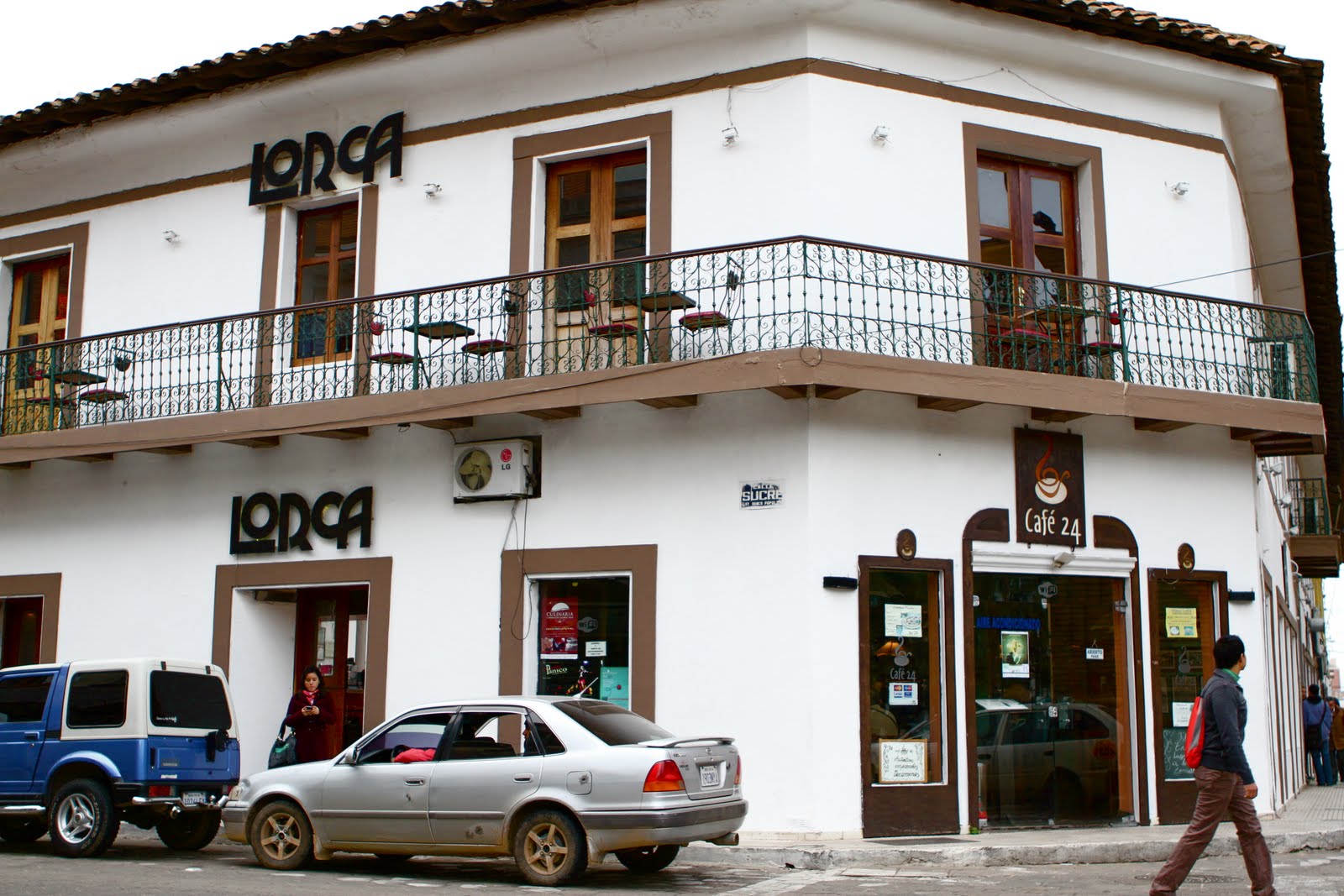
Ana Carola meets us and takes us down the block to her favorite hangout spot, Lorca.
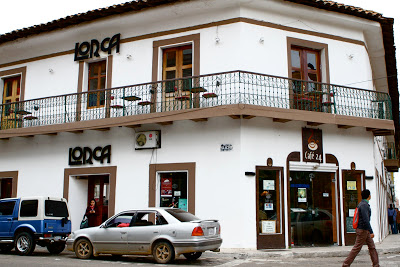


She’s good friends with the manager, Ubaldo Nallar, who is also an actor, producer, theater director, dramaturge, and cultural manager. Felipe Ibarreche, who is also the Bachelor of Tourism and Cultural Heritage Conservation expert, is the mixologist and part of Lorca’s administrative team.


Ana Carola is there around three times a week and gushes that it’s expanded to two stories, and outdoor area, and many indoor quarters. At night, a dj spins and it becomes a lively hot spot with the local artsy crowd, very open to foreigners, and a go-to spot for the Santa Cruz elite.


Lorca, named after Federico del Sagrado Corazón de Jesús García Lorca (talk about a long name), the famous Spanish poet, dramatist and theatre director (sense a pattern here?) is known for their French-Arabian food and a huge wine list as well as opening up their space for theatre plays, concerts, art exhibits and auctions, record releases, workshops and indie film screenings. Talk about an artist’s haven!


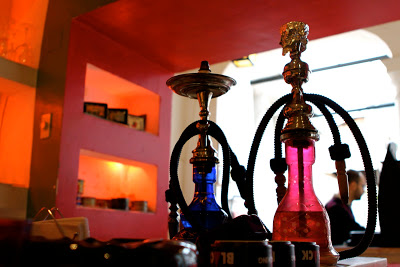
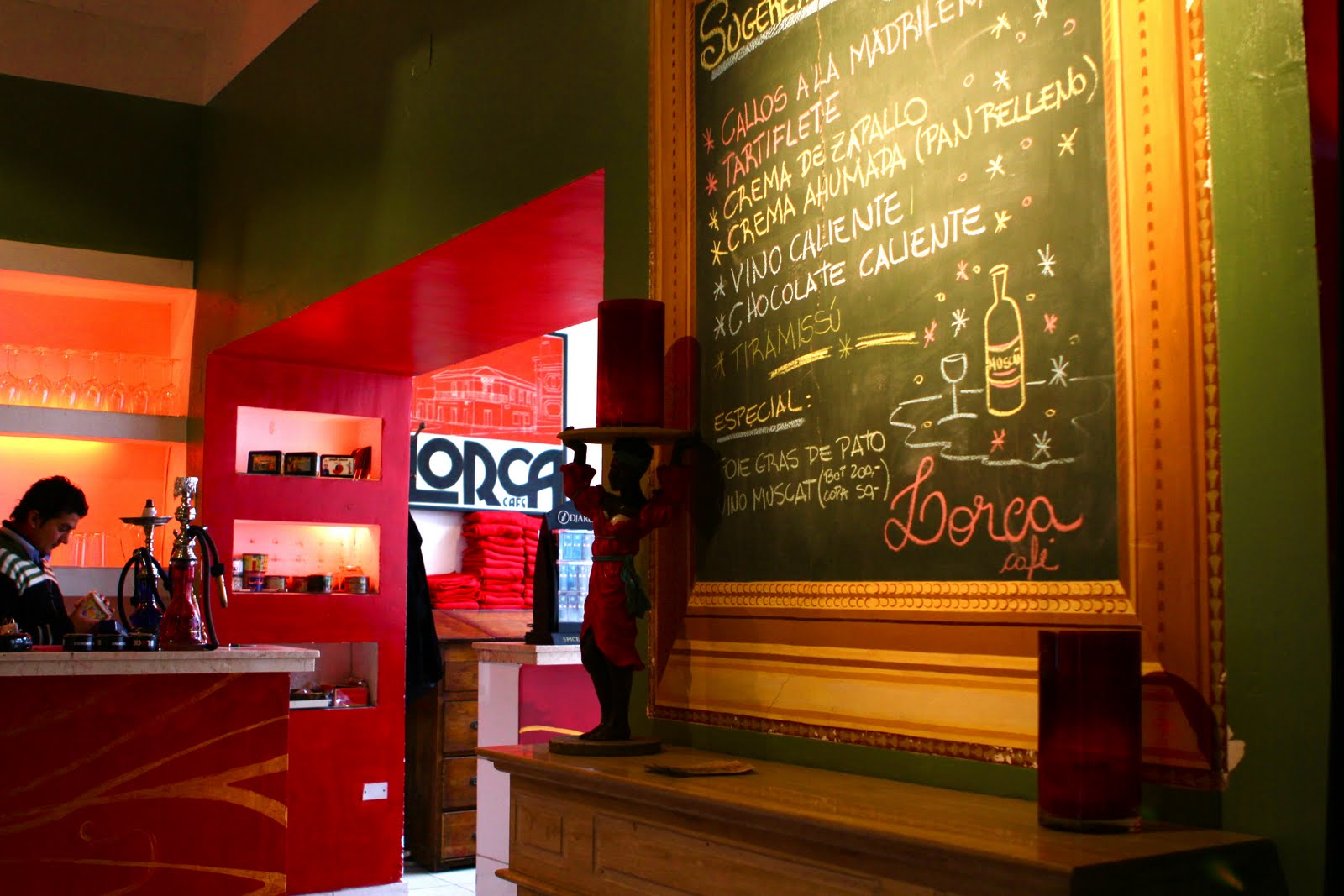
The moment we enter Lorca, we are enveloped by the bold interiors. The first room we are in is painted in green, orange, and red, with a gold-rimmed chalkboard menu, contrasting paintings, vintage hookahs on the bar, and some tables and chairs. 


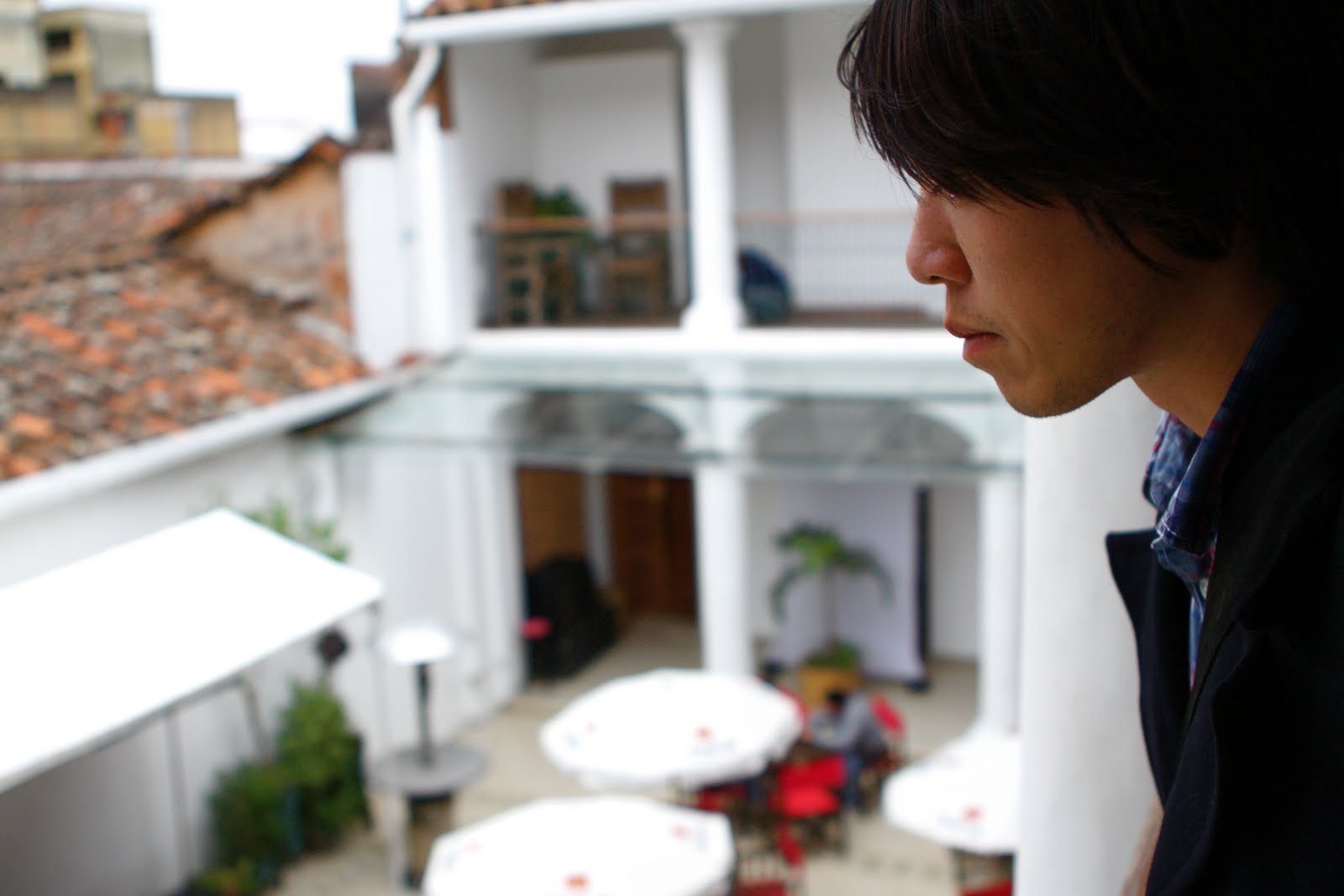
Rounding the corner is the outdoor patio area, speckled with red chairs. The black, white, and red decor matches their bold logo design. Along with the Spanish style architecture of the building, which is right next to the Plaza and the historical church of Santa Cruz, I feel like I’m transported to another time, another place. Wait, I technically am…


Lorca has wine from all over the Americas, Europe, etc. They even have Bolivian wine, which is amazing since I never knew Bolivia even made wines.


Most of the paintings at Lorca are done by local artists in Santa Cruz, or traveling artists who have come and gone.


There are many different rooms at Lorca. The one below has interesting decals. I believe this is the hookah room.


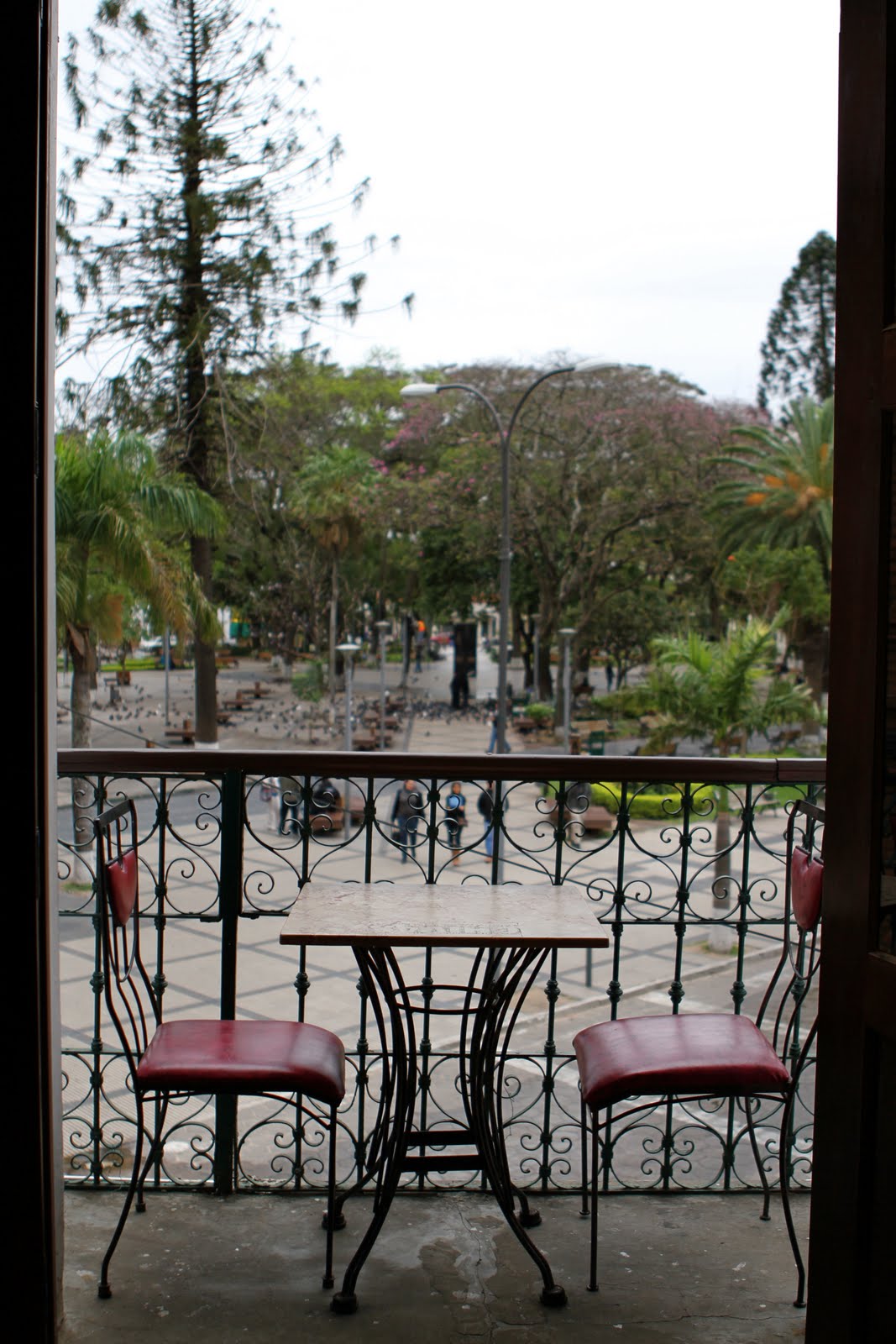
One of the greatest things about this cafe/restaurant/bar/club/theatre space is the beautiful view of the Plaza 24 de Septiembre, the city’s primary and central plaza. To the left of this view is the church, Catedral de San Lorenzo, built in 1770.


Because it is so cold, sitting in this particular table would be masochistic.


We start with the Foie Gras ($14 USD) accompanied by local Bolivian bread. This is straight from France, imported by a local.


Ubaldo asks what I’m in the mood for and I tell him that I want something warm and comforting. I get the Tartiflette ($6 USD), a French dish from the Haute Savoie. I’ve never heard of this particular dish so I’m excited. It’s like scalloped potato/potato au gratin’s older, more voluptuous sister who gets more ass. It’s made with potatoes, white wine, cheese, bacon, onion, and cream. In this version, a small fingerling variety of potatoes were used rather than slicing large potatoes. Did you know that Bolivia has over 200 varieties of potatoes and that potatoes originated from South America? 


My husband is an adventurous eater when we travel. He vowed to try a llama burger and other exotic meats while in Bolivia so he was game for the alligator tail ($8 USD). The alligator tail is breaded and fried, with an oyster sauce. It’s reminiscent to tang soo-yook, a Korean version of a Chinese dish that I could never find in a real Chinese restaurant. It’s basically a dense tempura of a meat of your choice with a sweet and tangy sauce over it. The potatoes were soft and delicious.


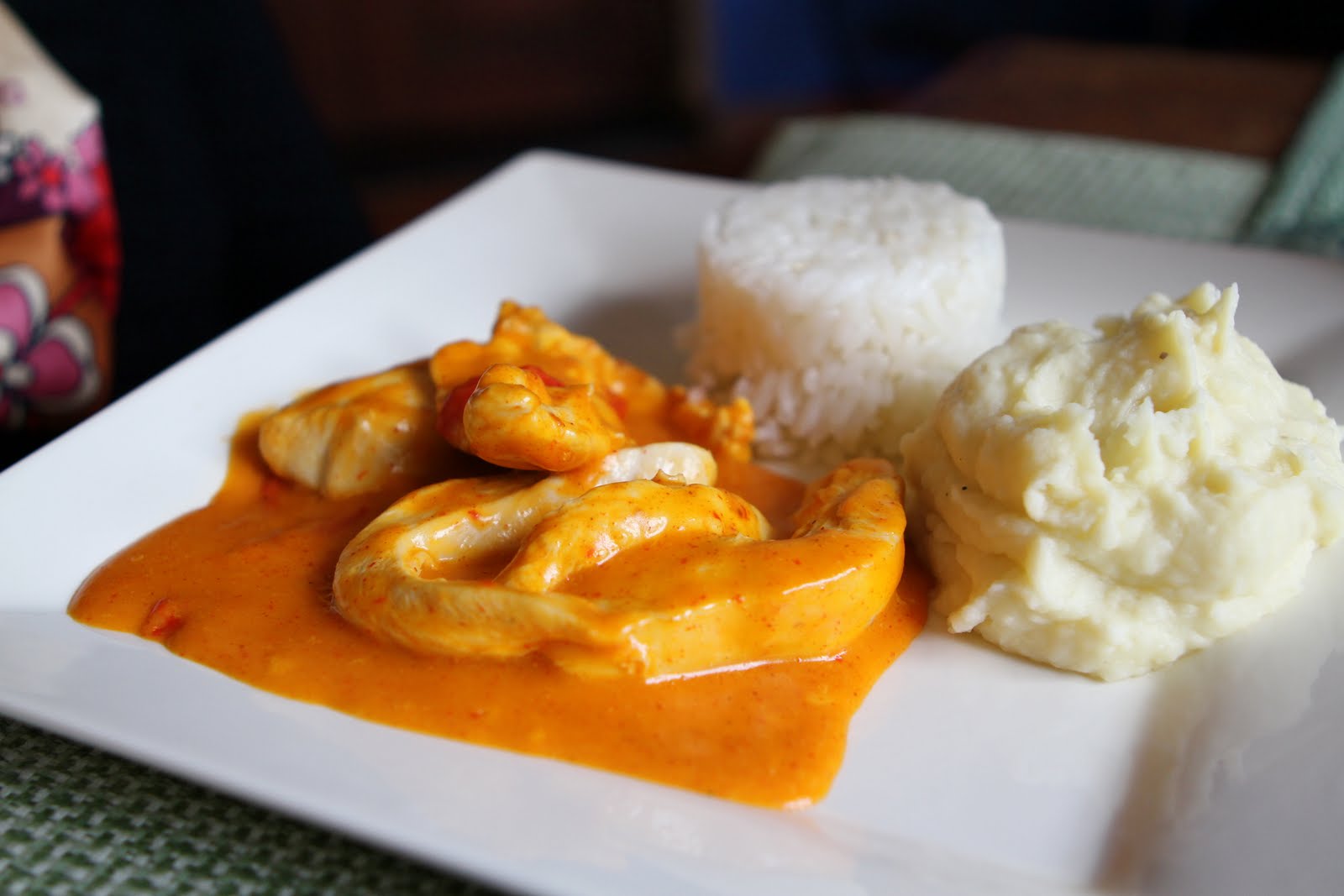
Ana Carola gets the Moqueca ($7 USD), which is a dish influenced by the Bahia region of Brazil where the cooking is very much derived from Africa. Moqueca Bahiana is basically a stew with vegetables, spices, with coconut milk and dendé oil (palm oil).  The meat of choice here is chicken. To me, it seems more derivative of Thai cuisine than African – at least from the look and smell. The potatoes are mashed here.

 
Lorca has tons of wine from all over South America, the U.S, and other places but because I never tried Bolivian wine nor knew that Bolivia made wine, it was the perfect day for my first sip of Bolivian wine. Truth be told, it isn’t the best wine but I’ve also had worse so for being patriotic since we were a few days away from Bolivian Independence Day, it fit the bill.


Lorca has interesting desserts (mostly $3 USD). Both of the ones we got are yogurts that are gelled with agar, topped with fruit. The first is called Federico and the berries on top tasted like black currants – definitely more tart and bitter than blackberries or its counterparts.


My favorite dessert is the Aladino, or the Aladdin, which is also yogurt with agar to make it gel up into this thick pudding consistency but the yogurt itself is infused with rose water so it has a floral scent to it, which is intoxicating. The dates add the sweetness to it and conceptually, it really does live up to its name. Some trivia: my dad’s Bolivian name is Aladino (after his textile store). Hence, this is doubly special to me.

 
Ana Carola gets the Almendrado, which looks like a tiramisu of some sort but it’s actually homemade vanilla ice cream with almond praline. Bolivia’s ice creams are amazingly creamy, delicious, and completely natural. One of the biggest expanding businesses in Bolivia is Piccolo, an heladeria (ice cream parlor).


Lorca is a definite must-eat and must-see in Santa Cruz. It represents the rise of contemporary culture in Santa Cruz, and the food is made with local ingredients as well as exotic ingredients from abroad. It’s at the epicenter of the cool, with global past times like smoking hookah and dancing the night away as part of their agenda – you never have to leave! On any given weekend, Lorca is packed with young, hip, amazingly beautiful people and it’s located in the heart of El Centro. After eating at Lorca, you can cross the street to the plaza on a weekend to watch impromptu tango dancing, go souvenir shopping at the artisanal stands behind the church, or hang out on the benches with your friends, enjoying the hot coffee from the coffee vendors. Too bad the sloths are gone. They used to provide lots of entertainment but they’ve since been moved to the zoo. 
 
 
Lorca
Sucre # 8 Esq. René Moreno
Santa Cruz de la Sierra – Bolivia
Phone: (00-591) – 3 – 334 – 05 62

Propiedades del Café

27 Mar

cafes


Siete cualidades poco conocidas del café


Ya sea solo, cortado o con leche, el café es desde hace siglos una de las bebidas más populares de occidente. Tomado con moderación, nadie discute los efectos positivos de una humeante taza de esta bebida a la hora de estimular el sistema nervioso.

Sin embargo, los beneficios de esta bebida no se acaban cuando apuramos el último sorbo de la taza. Sus residuos poseen también una importante cantidad de aplicaciones positivas poco conocidas. En el blog “Ramón Aníbal TV” han recopilado siete de estos usos alternativos para los polvos del café.

1.-Reductor de estrías y flacidez: Todas las cremas de belleza que aseguran combatir estos problemas de la piel poseen la cafeína como ingrediente común. Por ello, una forma económica de preparar un tratamiento anticelulítico casero consiste en mezclar café en polvo ya usado con aceite de coco. La pasta resultante se frota sobre la piel con movimientos circulares durante unos minutos y luego se enjuaga.

2.-Repelente de hormigas: Para conseguir que las hormigas dejen de merodear por diversos rincones del hogar basta con espolvorear un poco de café usado en la cafetera y seco por las zonas donde suelen transitar estos insectos.

3.-Abono natural: Los desechos del café son un ingrediente ideal del compost casero. Su alto contenido en fósforo, potasio, magnesio y cobre, además de su capacidad para liberar nitrógeno en el suelo a medida que se degrada, los convierten en un abono excelente para aquellas plantas que requieran tierra ácida, como las hortensias.

4.-Exfoliante de la piel: Las mismas propiedades que permiten al café reducir la celulitis lo convierten en ideal para alisar y estirar la piel. La textura del café molido aplicado con un suave masaje, retira las células muertas de la epidermis.

5.-Potenciador del brillo del cabello: Con frecuencia, esta bebida es recomendada como un tratamiento sencillo y natural para lograr un pelo más brillante. Para ello basta con preparar una o dos tazas de café fuerte. Una vez que esté frío se aplica sobre el pelo, unos veinte minutos después del lavado habitual.

6.-Elimina olores de las manos: Para librarse del olor con el que algunos productos de limpieza o alientos como el ajo impregnan las manos no hay más que coger un puñado de café usado y frotarlo por toda la mano, antes de enjuagar con agua tibia.

7.-Tinte natural: Los pigmentos naturales que confieren su característico color a esta bebida permiten que pueda ser usada para teñir tela, papel e incluso el cabello.


Direcciones de Diseños para servir Cafe

1 Mar

kazuki-yamamoto-8

Direcciones para aprender a disenar en café

http://www.youtube.com/watch?NR=1&v=oVAp-8QDGz0&feature=endscreen

http://www.youtube.com/watch?list=PL516593F0D44A0FF8&NR=1&feature=endscreen&v=ANl3ChUlNE0

http://www.youtube.com/watch?v=GXteSrhcVlM&NR=1&feature=endscreen

Tutorial para la Preparación de diferentes Cafes

19 Feb

GUIACAFE

Excelente!!!!!

http://www.sabrosia.com/2013/05/la-guia-definitiva-para-preparar-cafe/

Los secretos para catar el café

20 Ene

Experto. Un barista explica los cuatro pasos para degustar esta infusión.
Los-secretos-para-catar-el-cafe


Degustar esta aromática y estimulante bebida que ha conquistado al 60% de los bolivianos tiene sus secretos. Juan Pablo Cabrera, barista de Starbucks, explicó cuál es la mejor manera para deleitar el paladar con los atributos del café.

Cuidado con el sabor. La producción del café requiere un complejo proceso. «La altura, la región y la tierra donde se la siembra son algunos de los factores que influyen en el sabor final del grano», explicó Cabrera.

Pero no solo ello, a la hora de prepararlo, la temperatura y el agua también son importantes para poder degustar el café en toda su expresión. «Lo ideal es tomarlo a 92 grados, aunque lo mínimo son 80 grados. El agua debe ser filtrada para quitarle el cloro», indicó el barista.

Las proporciones también son importantes. Lo recomendable para un café expreso son 10 gramos de café por 180 mililitros de agua.

Y no está demás recordar que para poder catar el café, no se debe agregar ni una pizca de azúcar.


Rubio, oscuro o medio. A la hora de tostar el café, se pueden identificar tres variedades, que también influyen en el sabor.

En Starbucks uno de los cafés rubio más solicitados es el Willow Blend, que tiene un «cuerpo ligero», es decir que después de tomarlo sentirá en la boca un sabor cítrico permo casi imperceptible.

En cambio el Caffé Verona es oscuro y tiene aroma y cuerpo mucho más intenso. «Queda en la boca un sabor más intenso del café, pero además con un ‘dejo’ a chocolate'», señaló Cabrera.

Resalta las características.  A la hora de catar el café, el «complemento» juega un papel muy importante pues destaca aún más las características de esta bebida.

En el caso del café expreso oscuro, Starbucks recomienda acompañarlo de un brownie de chocolate, logrando una combinación perfecta, pues ambos se complementan y resaltan sus cualidades.

Propiedades del Café

26 Nov

cafe


BENEFICIOS DEL CAFE ( todo es muy relativo y cada individuo es único )

1. Su mayor beneficio son los antioxidantes que contiene el grano, sustancias denominadas polifenoles, que entre sus múltiples funciones protege de las mutaciones celulares y retraza su envejecimiento. Sólo las moras, nueces, fresas, alcachofas y arándanos contienen más antioxidantes que el café.

Un estudio realizado por la Universidad de Scranton, reveló que un adulto en promedio, de su ingesta diaria de antioxidantes, mil 229 miligramos provienen del café.

2. Se ha demostrado que beber de tres a cuatro tazas de café al día, ayuda a disminuir hasta en un 25 por ciento el riesgo de diabetes tipo II. Esto debido a la gran cantidad de antioxidantes naturales que posee el café, los cuales ayudan a evitar la resistencia a la insulina, hormona que es la principal causa de este padecimiento.

3. Un estudio realizado durante 20 años, demostró que el consumo de café de forma constante, también está asociado con la disminución de hasta un 65 por ciento de padecer demencia en la vejez. Resultado que está asociado a los efectos que hace esta bebida en el sistema nervioso central.

4. Beber café ayuda a que los deportistas tengan un mejor desempeño físico de resistencia durante sus competiciones. Diversos estudios han comprobado que el café puede tener un efecto ergogénico, es decir, que aumenta la potencia muscular en deportistas de resistencia.

5. Así mismo, tomar de cuatro a cinco tazas de café al día, también ayuda a activar y elevar la capacidad de alerta, además de que permite se tenga una mejor concentración por más tiempo.

6. Incluso, se ha demostrado que podría tener efectos preventivos en la lucha contra enfermedades de tipo neurodegenerativas como Parkinson o Alzheimer.

tazas son pocillos de café.

Contraindicaciones del café ( todo es muy relativo y cada individuo es único )

Si padeces con frecuencia palpitaciones o extrasístoles, debido a las acciones del café sobre el sistema nervioso.
Si tomas antidepresivos, ya que puede provocar hipertensión y dolor de cabeza.
Si estás ingiriendo sales de hierro, porque se pueden formar complejos insolubles que impedirán la asimilación de este mineral.
Si ya has tomado varias tazas. Un consumo excesivo, seis tazas diarias, afectan al rendimiento intelectual, desapareciendo todos los efectos positivos.
Si tienes la tensión elevada o eres hipertenso, pregunta a tu médico si puedes tomarlo y en qué cantidad.
Si sufres frecuentes molestias estomacales como úlcera o gastritis.
Si estás embarazada, ya que el café podría influir en el desarrollo del feto ( no hay suficientes datos)
Si das de mamar al bebé, ya que la cafeína puede pasar al niño. Consume poco y siempre después de que el niño haya mamado.

SAIKU