Si a lo largo de los últimos años, meses o semanas, en tu interior y tu Corazón has sentido o presentido la llegada de algo nuevo, como si tuvieras una “corazonada” de que alguien va a llamar a la puerta de tu casa en cualquier instante, lo que sigue se dirige a ti y explica la significación profunda que subyace tras las fechas del 21 de diciembre de 2012 y el 20 de marzo de 2013, por más que cuando leas esto ambas puedan haber quedado ya muy atrás. Sigue adelante con la lectura y lo entenderás.
Unos meses cruciales, aunque la puerta permanecerá abierta
De instante en instante se ha ido acercando hasta hacerse realidad el solsticio de invierno de 2012 (11 horas y 12 minutos del viernes 21 de diciembre). Es un hito que marca el inicio de un periodo energético, electromagnético y vibracional muy especial: la llegada “oficial” de una auténticaPrimavera Consciencial. Una llegada que, en el ámbito tridimensional en el que te mueves, no es instantánea, sino que se configura como un intervalo temporal que va desde el citado solsticio hasta el equinoccio de primavera de 2013 (11 horas y 2 minutos del miércoles 20 de marzo).
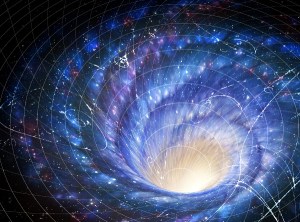
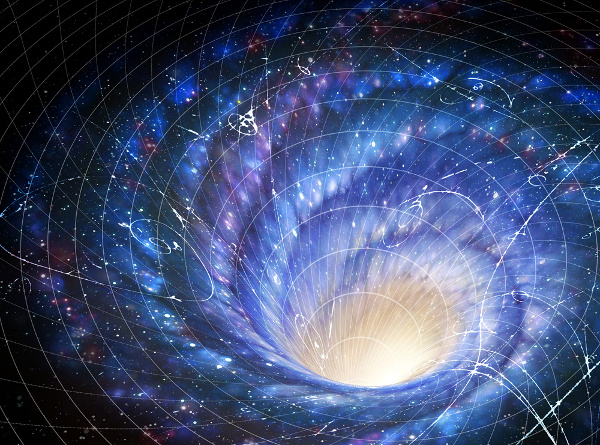
Para el sistema solar, el Sol, la Tierra y la Humanidad, los tres meses que distan entre ambos eventos suponen el final de un ciclo cosmogónico –invierno consciencial- y el inicio de otro –Primavera Consciencial– y una colosal experiencia que posibilita la Metamorfosis evolutiva de los seres humanos que vibracionalmente sintonicen con ella. Y desde el punto de vista de la Madre Tierra, representa el final de su Metamorfosis vibracional, lo que en términos científicos puede ser descrito como la salida del anillo de gusano o Puente de Einstein-Rossen que el planeta -con él todas las formas de vida que lo pueblan, incluida la Humanidad- ha venido travesando en las últimas décadas.
Y lo que puede ser vivido con ocasión de las reiteradas fechas es factible gozarlo igualmente después de ellas, como si fuera una puerta que se abre y abierta queda de par en par para que cada cual pase por ella en función de su propio proceso consciencial. No en balde, el final de la travesía de la Tierra por el anillo de gusano generará replicas –como si de un cataclismo consciencial y vibracional se tratara- en forma de Puentes de Einstein-Rossen en cada ser humano, pues en el nuevo escenario de Primavera Consciencial permitirá que los micro impulsos conscientes individuales creen, mediante clusters de ondas, grandes eventos como los citados Puentes. Todo ello al ritmo del proceso de cada uno y conduciendo no a un único escenario consciencial y dimensional, sino, dentro de una amplia gama, al que señale el libre albedrío de cada cual. La Diversidad y el Libre Albedrío son fruto del Amor que llena la Creación.
¿En qué consiste exactamente la experiencia?. Su dimensión y entidad no cabe en palabras ni en pensamientos. La novedad de lo que representa e implica es tan absoluta que no puede ser descrita bajo los esquemas mentales y conceptuales de lo que quedó atrás. No obstante, si es factible anticipar algunos extremos y puntos básicos que, como las indicaciones que aparecen en un “mapa de carreteras”, proporcionen una mínima orientación (aunque el Camino tendrá que hacerlo cada cual, metro a metro, punto kilométrico a punto kilométrico) al ser humano consciente del Milagro que se avecina. Es lo que se hace en los párrafos que siguen. Y aunque se plasma en fechas que discurren entre finales de 2012 y comienzos de 2013, las pautas y vivencias que se reseñan continúan siendo absolutamente válidas si te acercas a estas líneas mucho después. Las indicaciones del “mapa de carreteras” no pierden actualidad y son completamente vigentes mientras la puerta se mantenga abierta, siguiendo con el símil, para el momento en el que cada uno empiece a notar en su interior algo que lo anima a ponerse en marcha y transitar “su” Puente de Einstein-Rossen, lo que le llevará, tras recorrer el anillo de gusano, al escenario vibracional y consciencial que en libre albedrío decida.
En los días que van desde ahora hasta el 9 de diciembre de 2012, irás sintiendo, de manera cada vez más potente, la culminación del apretón energético y de la aceleración del tiempo que la travesía de la Tierra por un Puente de Einstein-Rossen ha conllevado e implica. Notarás, así, la llamada desde el Corazón para que tu Vida se despliegue conforme a los siguientes parámetros y percepciones:
A) Vida Sencilla, centrada en el Aquí y Ahora, desconectada del viejo mundo y experienciada en Libertad
- Practica una Vida Sencilla: Afianza en tu Corazón las sabias palabras de Francisco de Asis: necesito poco; y lo poco que necesito, lo necesito poco. Para ello, minora tu ritmo de vida, aligera tu agenda, pon en tu día a día espacios de silencio y encuentro interior, reduce tus pertenencias, modera tus niveles de consumo y calibra bien tus auténticas necesidades, aliméntate de forma sana y comedida y, en la medida de lo posible, reduce paulatinamente tus deberes y quehaceres (también los de índole “consciencial” y “espiritual”) y todo aquello que te suponga esfuerzo.
- Sitúate en el Aquí y Ahora: Reduce cuanto puedas los “viajes en el tiempo” (del pasado al futuro y viceversa) con los que gastas una energía preciosa que vas a necesitar para tu Metamorfosis. Y en tu cotidianeidad, desengánchate de esa droga llamada futuro –que impulsa a dejar para mañana la Felicidad y la Libertad que puedes disfrutar hoy- y céntrate cada vez más en el momento presente: cuando mastiques en las comidas, al cepillarte los dientes, al andar por la calle, al conducir,…
- Desconéctate de la debacle del viejo mundo: Desengánchate de todo lo viejo que aún rodea tu vida, sin permitir que el inevitable deterioro de lo exterior crispe tu estado de ánimo y tu paz interior. El mundo exterior es como un huracán cuya intensidad y magnitud van ser cada vez mayores. Sitúate en su “ojo”, en el ojo del huracán, donde gozarás de quietud, calma y serenidad aún en medio del torbellino. Y desde este estado de paz, dirige tus energías no a luchar contra lo que ya caducó y quedó obsoleto en tu Corazón, sino a crear todo lo nuevo que en él late. Para ello, es muy importante que pongas fin tanto a tu adición hacia los denominados medios de comunicación (informativos de televisión y radio, periódicos,…) como a las discusiones y diatribas con los que te rodean a propósito de lo que en el mundo exterior acontece (los conflictos, las crisis, las mil controversias de la “actualidad”,…).
- Asume el reto de la Libertad: Llegó el momento de que dejes de exigir la mejora de las condiciones carcelarias para, en lugar de ello, salir de la cárcel. Sus barrotes son virtuales y los has generado tú mismo con tus miedos, cargas, culpas y lastres, con tu cuidado y tu contento, con tus autolimitaciones mentales, enjuiciamientos, comodidades y controles y con la necesidad de reconocimiento, seguridad y protección. Apunta bien esto en tu Corazón: ¡llegó el momento de la Libertad!. Y la Libertad no es lo que la Humanidad ha ideologizado desde la mente, sino la absoluta ausencia de miedos, que en tu Corazón van a ser sustituidos por una enorme Confianza en la Providencia, la Vida, la Perfección de cuanto Es y la Sabiduría Innata que todos acumulamos en nuestro interior.
B) Interioriza que nada tiene que cambiar porque ¡todo es Perfecto!
La Tercera Dimensión tiene su razón de ser y siempre existirá en la Creación (como cualquier nota musical, por ejemplo “mi”, en la escala musical). En libre albedrío, siempre habrá dimensiones espirituales que se quieran encarnar en ella para vivenciar las experiencias que al nivel vibracional tridimensional le son propias. Por tanto, no pretendas eliminarla o cambiarla una vez que para ti, en tu proceso consciencial, tal tipo de experiencias ya son agua pasada. Practica la Aceptación e interioriza con fuerza que ¡nada tiene que cambiar porque todo es Perfecto!.
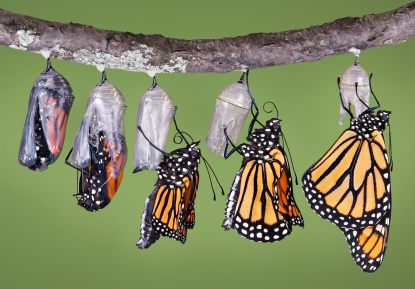
Lo que estás empezando a vivir no es un cambio, sino una Metamorfosis evolutiva que nace de tu interior y compartes en el momento presente con la Madre Tierra y con otras muchas dimensiones espirituales encarnadas en seres humanos. Capta la diferencia entre cambio y Metamorfosis y céntrate en esta última. Si te resulta difícil, sigue el ejemplo de la oruga que se va a transformar en mariposa. La oruga no se plantea con su metamorfosis cambiar nada de su entorno ni nada de ella misma que no le guste o no acepte, sino que, naturalmente, siente la llamada interior a recogerse en el silencio (en la crisálida o capullo), activar componentes durmientes de su ADN y convertirse en mariposa para empezar una Nueva Vida.
Si esperas cambios, esta expectativa te descentrará y desorientará. Y si los esperas, es porque en tu Corazón aún no ha prendido la Aceptación, en este caso, la Aceptación del viejo mundo y de tu vieja vida. Subraya esto: el viejo mundo es igual de Perfecto que el nuevo. Todo encaja y tiene su sitio en el Cosmos y la Creación, también la Tercera Dimensión y el mundo en el que llevas miles de años desarrollando tus experiencias vitales y conscienciales. La Vida y la Consciencia son Una, pero se despliegan en libre albedrío y en una Diversidad vital y consciencial que son fruto del Amor, del que la Vida y la Consciencia son manifestación. La única diferencia entre el viejo mundo y el Nuevo Mundo es que hay algo en ti que te impulsa a vivir y a vibrar de otro modo: la Metamorfosis no deviene de la necesidad de cambio de la Tercera Dimensión, sino de tu exigencia interior de Evolución y de experienciar una Nueva Vida.
No vas a asistir a cambio alguno, sino que, en libre albedrío, vas a Vivir en primera persona, es decir, en ti y desde ti, una Metamorfosis evolutiva tan honda como natural. Afianza este discernimiento en tu interior hasta el 9 diciembre, pues lo necesitarás para lo que vendrá después.
C) Toma consciencia de la Unicidad y conéctate con la Madre Tierra
Los seres humanos y la Humanidad forman parte de un ser vivo de mayor escala: la Tierra. Para discernir la sinergia e interacción entre la vida humana y la Tierra basta con observar la propia corporeidad física de cada persona y la infinidad de formas de vidas (tejidos, células, bacterias,…) que en su interior conviven e interaccionan con el ser vivo, de mayor escala, que cada ser humano es. A lo largo de milenios, la Humanidad ha tendido ha olvidar su funcionalidad hacia la Tierra y la lógica natural de simbiosis y desarrollo mutuo que conlleva. Lejos de esto y repitiendo la analogía de la corporeidad física, el ser humano se ha comportado como esos organismos o bacterias que, en lugar de reportar salud a las personas, son origen y causa de enfermedades y dolencias.
Para que entiendas lo que sois, te voy a dar un símil:
Piensa por un momento que tú eres un planeta. Tú sabes que en tu superficie y en tu interior (por ejemplo, en el intestino) viven miles de millones de pequeños seres vivos llamados bacterias. Éstas no sólo no os hacen daño, sino que contribuyen a vuestra salud y vuestro crecimiento. Son, por ejemplo, la flora bacteriana de la piel y del intestino, que contribuyen a mantener el pH de la piel y a desarrollar vuestro sistema de inmunidad. De este modo, os prestáis un servicio mutuo y podéis convivir en paz y armonía.
Desgraciadamente, algunas de esta bacterias se olvidan de su función, se vuelven dañinas (patógenas), provocando enfermedades. En este caso, os veis obligados a eliminarlas con vuestra propia inmunidad o con lo que llamáis medicamentos.
Pues bien, entiende que los humanos habéis venido como bacterias saprofitas a prestar un servicio al planeta. En esta simbiosis, los dos podéis crecer y desarrollaros. Pero, desgraciadamente, la gran mayoría de los seres humanos habéis invertido los términos y os habéis creído los dueños del planeta. Habéis empezado a hacer lo que os viene en gana en vuestro propio beneficio y olvidándoos del daño planetario que causáis, por ejemplo, talando árboles a voluntad y destruyendo montañas y excavando cavernas para extraer minerales y otros materiales que empleáis para la construcción y desarrollo tecnológico.
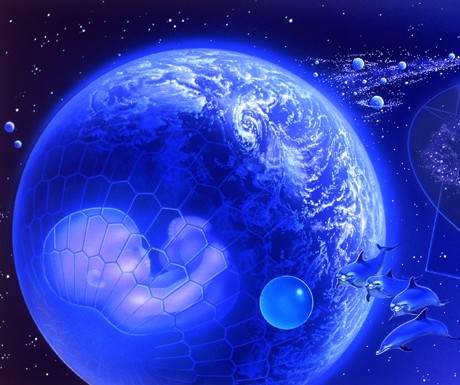
Como se detallará más adelante, el ser vivo Tierra, en el contexto de su propio proceso consciencial, está a punto de culminar la mutación de su frecuencia vibracional y comenzar a vivir en una nueva clave dimensional. La Nueva Tierra será pronto una realidad. Este acontecimiento, además de sus espléndidos impactos para la Tierra, el sistema solar y la galaxia, tendrá un efecto inmediato sobre los seres humanos: la exigencia de decidir en libre albedrío si quieren o no acompañar a la Tierra en su salto dimensional, si desean o no “adaptarse” y “acompasar” su Corazón a la nueva vibración del planeta y a su nuevo Latir. En caso afirmativo, será imprescindible un cambio de consciencia, pasando de la consciencia egóica (ha conllevado, entre otras cosas, el olvido de la simbiosis e interacción con el planeta antes reseñadas), a una Consciencia de Unicidad –planetaria, galáctica,…- que haga factible la convivencia sinérgica con la Nueva Tierra, el Sol, el sistema solar y el conjunto de la Vía Láctea.
Esta es la Metamorfosis que se avecina para la Humanidad: los seres humanos que quieran seguir conviviendo con la Tierra tendrán que acometer esa transformación de consciencia –el despertar a una consciencia planetaria y galáctica– y recordar como se vive en simbiosis con el medio ambiente, la Naturaleza y todos los seres vivos, incluyendo los propios humanos entre sí. Para el ser humano también ha llegado, por tanto, el momento de la transformación y la Evolución.
Entre el 10 y el 20 de diciembre de 2012
El Orden Natural que rige la Creación y el Cosmos intervendrá en este proceso de Metamorfosis coadyuvando al mismo a través del inicio de un nuevo ciclo cosmogónico que posibilitará la llegada al sistema solar, el Sol, la Tierra y la Humanidad de corrientes y fuerzas energéticas de gran pureza –auténtica Energía de Amor- que, además de servir para que la Tierra complete su propia Metamorfosis vibracional y ancle en la nueva Dimensión, apoyarán la citada transformación de consciencia de los seres humanos, aunque respetando siempre el libre albedrío.
Y en este marco, entre el 10 y el 11 de diciembre, la Madre Tierra, un espectacular ser vivo con su propio proceso y evolución consciencial,habrá concluido su travesía por el anillo de gusano y culminado su Metamorfosis: su vibración ya no será de Tercera de Dimensión, sino de Cuarta. Y su “Latido” estará alineado con el del Centro Galáctico y el Cosmos.
Se trata del denominado “alineamiento”, que no es tanto un fenómeno exterior (que la Tierra se “pongan en fila” con otros planetas y astros), sino interior, de sintonía de Corazón a Corazón: el Corazón de la Madre Tierra se alienará con el del Sol y el Centro Galáctico tal cual los relojes de péndulo se ajustan en su “tic-tac” con el de mayor tamaño a través del llamado “efecto arrastre”. Y será debido a este alineamiento por lo que las energías procedentes del Corazón o Centro del Universo y de la Vía Láctea llegarán a la Tierra de manera directa, sin las interferencias que ha habido hasta ahora al no encontrarse el Corazón del planeta alineado con ellos.
Las manifestaciones exteriores de esto serán muchas, desde la elevación de la frecuencia electromagnética del planeta (la llamada Resonancia Schumann, predicha matemáticamente en 1952 por Winfried Otto Schumann, aunque fue Nicolas Tesla el que la observó por primera vez) al debilitamiento del magnetismo terrestre, pasando por una fuerte energetización de toda la Naturaleza.
La Metamorfosis de la Tierra, alienada y sincronizada con el del Sol, Sirio, las Pléyades y el Centro Galáctico de la Vía Láctea, posibilitará que, entre el 12 y el 20 diciembre, el planeta y todo lo que lo habita reciba una gran onda de energía de Amor y consciencial muy pura que será polarizada hacia la Tierra de manera conjunta por Júpiter y el Sol: el Gran Trigono de Júpiter (supondrá el inicio de su transformación –ignición- en un nuevo Sol dentro del sistema solar, proceso que tardará aún miles de años en completarse) acaecerá el día 12 de diciembre, regalando Amor y Consciencia desde este planeta, ya en camino de convertir en estrella, a todo el sistema solar, en general, y a Mercurio, Venus, la Tierra y Marte, en particular.
La conjunción de todo ello pondrá a disposición de todas las formas de vida que moran en la Madre Tierra fuerza y consciencia para alinear y sincronizar su Corazón con el de ella, alineado ya cosmogónicamente. Y esta sincronización producirá, a su vez, la conexión ionogenomática de sus respectivos ADN por medio de la secuencias fractales que en éste existen y que, como si fuera a la vez una estructura “macro” y “micro”, ligan a cada modalidad de vida con el ADN del planeta, del mismo modo que asocian el de éste con el del Sol, el sistema solar y la galaxia en su conjunto.
Entre el 21 y el 23 de diciembre de 2012
En este magno escenario, habrá seres humanos que sientan la necesidad interior de experienciar un periodo de recogimiento, silencio, meditación,… (cada cual lo vivirá a su manera y en función de sus propias circunstancias) que durará tres días (72 horas), del 21 al 23 de diciembre.
Buscado un ejemplo en la Naturaleza, hay que volver a retomar el ejemplo de la oruga, que se introduce en la oscuridad de la crisálida para mutar su ADN, activando componentes durmientes del mismo, y transformarse en mariposa. Es lo que algunos llaman “tres días de oscuridad”. Pero no será en el exterior, sino un recogimiento interior: una experiencia interior (no exterior) y evolutiva (no traumática). Que nadie se encarcele consciencialmente a si mismo esperando fenómenos cataclísmicos exteriores.
Y en estos tres días de recogimiento, acontecerá la citada conexión ionogenomática del ADN de los seres humanos que lo vivan a través de las secuencias fractales en él existentes. Este hecho puede ser descrito como la “distensión” de sus hebras, como cuando se abre una flor, lo que acelerará la activación de los componentes durmientes del ADN, preparándolos para experienciar la Metamorfosis. La distensión se deberá tanto a la llegada de energía exterior como a la Armonía y la Quietud interior que experimentarán los seres humanos que, recibiéndola, interactúen con ella desde su propio proceso consciencial. Y permitirá que se liberen componentes del ADN que hasta ahora se hallaban aprisionados y tensos (coloquialmente, “estresados”), produciéndose la aceleración de su activación.
Entre el 24 de diciembre de 2012 y el 17 de marzo de 2013
Al finalizar estos “tres días de oscuridad”, esos seres humanos habrán acelerado la activación de su ADN y comenzado a cambiar su frecuencia vibracional en clave de Amor, en consonancia y en sincronía con lo vivenciado por la Madre Tierra. ¿Cuáles serán los impactos de tal hecho en ellos?. Básicamente, los siguientes:
- Consciencia de Unicidad y Red:Percepción cada vez más nítida tanto de la Unicidad de cuanto es como de la Red Consciencial, en sus distintos niveles y escalas, que liga y entrelaza a los seres humanos dentro de la Humanidad, a ésta con la Madre Tierra, al planeta con el sistema solar y así sucesivamente.
- Multidimensionalidad: Activación del recuerdo de la naturaleza multidimensional de nuestro ser, lo que permitirá la conexión con planos más sutiles de consciencia y existencia en los que también somos y estamos, incluyendo el contacto con los Hermanos de Luz de otros mundos, planetas, sistemas solares y galaxias.
- Tendencia creciente a “no hacer”: La Humanidad ha creído hasta el momento presente que se nace para hacer y que “nacer” es sinónimo de “hacer”. Es un paradigma culturalmente muy arraigado el considerar que venimos y estamos aquí, en esta vida y en este mundo, para hacer cosas: lograr metas, alcanzar objetivos, producir, construir lo que sea,… Y en ese hacer -ligado inevitablemente a trabajos, empeños, esfuerzos, programaciones y controles- se busca la “realización” personal (cada cual según su “yo y sus circunstancias”), el sentido de la vida y hasta un sueño de porvenir colectivo en el marco de la denominada civilización. Metafóricamente expresado, se trata de la celebre maldición bíblica de “ganarás el pan con el sudor de tu frente”. Pero los seres humanos que experiéncien lo que se viene sintetizando sentirán una tendencia creciente a “no hacer” y “verán” con meridiana claridad que “nacer” es “no-hacer”, que se nace para Vivir y que Vivir es sencillamente eso, Vivir: no hacer, Vivir… Un “Vivir Viviendo” que no sabe de pasado ni de futuro y que se plasma exclusivamente en el Aquí y Ahora. ¿Tan difícil te parece?. No te inquietes, que tu Metamorfosis te mostrará de manera simple y natural lo que Vivir y no-hacer significan. Lo hará por medio de la Sabiduría que se manifiesta en las palomas, en las flores, en los árboles y en toda la Naturaleza. La misma Sabiduría que hace por ti lo que el cerebro de tu cabeza es incapaz de hacer: que circule la sangre, que funcione el aparato digestivo, que lata el corazón, que se dilaten los pulmones, que se inmunice el organismo y que curen las heridas. Con la Metamorfosis, esta Sabiduría natural emanará del cerebro de tu corazón y se mostrará plenamente en ti, desde ti y para ti.
Entre el 18 y el 20 de marzo de 2013
Te darás cuenta entonces de que, realmente, no saliste de la misma el 23 de diciembre,sino que has permanecido en ella durante estos tres meses. Y que ahora, ahora sí, se ha completado la activación de los componentes durmientes de tu ADN y te dispones a abandonarla con la Metamorfosis culminada y transformado en “mariposa”. Habrás concluido la travesía por tu propio Puente de Einstein-Rossen y ello, a partir del 21 de marzo, abrirá ante ti no un único escenario consciencial y dimensional, sino todas las alternativas que permite la Realidad Cuántica: un haz de opciones vibracionales, a modo de planos alternativos de realidad, entre los que, en libre albedrío, tendrás que decidir cual deseas experienciar, aunque todos representan, como se detallará más adelante, una especie de “vuelta al origen”.
UN PROCESO EN INTERACCIÓN
Respecto a nuestro objetivo de expandir la Creación, lo que se producirá será un efecto dominó, la 4ª Dimensión anclará en la 3ª, la 3ª en la 2ª,… , y la 1ª se expandirá creando nuevos mundos y Universos. Por otro lado, muchos animales son seres de 2ª Dimensión porque su consciencia es grupal. Y al mismo tiempo, la Madre Tierra concluye su Metamorfosis (y ello incluye a animales y plantas). ¿Cómo se enlaza e interacciona todo ello?
Para entender mejor el proceso, hay que centrar la atención en uno mismo.
Eres, como todos, Espíritu, alma y cuerpo.
El Espíritu es nuestra divinidad plena y está más allá de las Dimensiones y los planos de existencia, pues todos los abarca e integra.
El alma es multidimensional y, estando en 3D, también se halla y experiencia en las demás Dimensiones.
Y el cuerpo es un maravilloso vehículo tridimensional, pero en él conviven igualmente organismos y fluidos que son de 2D y 1D.
¿Qué le sucede a algo tan vasto y diverso cuando tu proceso consciencial se metamorfosea y tu consciencia experimentan la transformación vibracional de 3D a 4D?. Pues que todo lo que eres pasa a vivir en 4D sin que ninguna de tus partes pierda su propia identidad, salvo:
- el alma, “contenedor” o vehículo de la consciencia, que desde su estado en 3D sí muta su vibración en clave de la nueva frecuencia dimensional; y
- el ADN, que activa, como consecuencia de la Metamorfosis, componentes hasta entonces durmientes y adapta así la corporeidad para que siga siendo un “vehículo” válido para continuar viviendo y experienciando en la nueva clave vibracional y dimensional.
A partir del 21 de marzo de 2013
Imposible de describir
Sea cual sea el escenario consciencial y el plano alternativo de realidad que elijas, no es posible ni siquiera esbozar con palabras lo que acontecerá en ti y desde ti a partir del 21 de marzo, del momento en el que la Metamorfosis sea Plena y Real. Y el mundo será aparentemente el mismo, pero todo será radicalmente distinto. Recuerda de nuevo el ejemplo de la oruga convertida en mariposa: al salir de la crisálida, el mundo exterior es el mismo, pero ¡cuán diferente es para ese ser vivo que antes reptaba en él como oruga y ahora vuela cual mariposa!.
Nada sobra ni falta, todo es Perfecto
Lo primero que notarás es que has adquirido perspectiva. Desde ella, comprobarás que:
- que nada sobra ni falta ni en ti, ni en nadie, ni en nada;
- que no hay diferencia ni dualidad alguna entre lo físico y lo espiritual, lo interior y lo exterior, lo material y lo trascendente, lo individual y lo colectivo, lo personal y lo social, por lo que la Nueva Vida es mucha más que “tú” Nueva Vida y abarca e integra todo y a todos sin excepción;
- que todas las experiencias, del tipo y “color” que sean, tiene un por qué y un para qué en un inconmensurable Orden Natural de Amor donde todo fluye, refluye y confluye en la Perfección de cuanto Es; y
- que nada tiene que cambiar ni en ti ni en nada porque Todo es Perfecto.
Vivirás y sentirás todo ello de un modo absolutamente ajeno al intelecto. La Búsqueda habrá cesado y todo deseo o renuncia habrá quedado detenido. Y libre de apegos y desapegos, te reirás a carcajadas de ti mismo rememorando cuando experienciabas la vida ansiando la Iluminación. Serás ya plenamente consciente de que siempre has sido y estado “Iluminado” y que la Iluminación consiste, precisamente, en darse cuenta de la radical innecesariedad de la Iluminación.
Lo vivido fue un sueño, sí, pero fue real porque como real se vivió.
Recordarás tu Propósito de Vida –el que te llevó a encarnar en la vida física actual- y tu Propósito de Encarnación –el que te trajo a este plano y a este mundo- y verás las experiencias en él vividas como si formaran parte de un sueño que ya quedó atrás. Es como si al salir de la piscina y secarte, el hecho de que estuviste dentro de ella y mojado te pareciera un sueño.
Se entiende por «Propósito de Vida» las razones conscienciales, vibracionales y espirituales (vivencias, experiencias, objetivos conscienciales,…) por los que te has encarnado en tu actual vida física.
Y por «Propósito de Encarnación», lo que motivó a la dimensión espiritual en ti encarnada ha proyectarte desde otros planos dimensionales y de consciencia a este plano humano y tridimensional para desplegar no sólo tu presente vida, sino toda la cadena de vida físicas que en él llevas.
Por tanto, el “Propósito de Vida” se relaciona con tu vida física actual. Y el “Propósito de Encarnación”, con la cadena de vidas físicas en el plano humano
Y es que, efectivamente, la Experiencia de Ser en el plano humano ha discurrido hasta ahora en el marco de la ensoñación: no Viviendo la Vida, sino soñando una vida individual, separada y fragmentada en un escenario: la Matriz Holográfica o Gran Teatro del Mundo
Pero siendo esto cierto, no lo es menos que lo vivenciado en el sueño lo llevas incorporado a tu bagaje experiencial. En la piscina, tragaste agua y sentiste ahogo, nadaste en los distintos estilos y modos posibles, buceaste de mil maneras,… y todo ello se ha incorporado a ti, a tu consciencia, a tu ser y a la Experiencia de Ser.
Inocencia Consciente
Debido a ello, no sólo recuperarás la Inocencia (activación del Niño Interior), sino que gozarás de una Inocencia Consciente.
Un bebe vive en Inocencia, pero de manera inconsciente. Tú habrás vuelto a la Inocencia primigenia, pero será ya una Inocencia Consciente derivada de lo vivenciado y experienciado en tu encarnación en el plano humano y en Tercera Dimensión. Entenderás entonces perfectamente el papel de ésta en la Creación y la capacidad creadora que has desplegado durante tu encarnación en ella.
Ver el “Rostro de Dios”: Namasté
La Inocencia Consciente te posibilitará contemplarte a ti mismo como lo que eres: Amor. Y te permitirá ver el “Rostro de Dios”, que significa percibir con claridad la Perfección de cuanto Es y como Dios es cada uno de nosotros y es todos y Todo.
La expresión “Namasté” habrá dejado de ser una palabra, una elaboración intelectual, para transformarse en la más genuina expresión de la Unicidad en la que habrás volcado tu “yo”.
NAMASTÉ
El término Namasté, usado a modo de saludo, representa que el Dios que es yo reconoce, saluda y reverencia el Dios que eres tú. Con lo cual, además, tú y yo nos unificamos en el Uno, en Dios mismo, y reconocemos y saludamos al Dios que es todos y Todo.
Su origen etimológico se halla en el sanscrito y de la integración de dos vocablos: “namas” y “te”. Su contenido incluye y engloba dos grandes significados:
- Por un lado, “namas”, que por las normas de división de las palabras del sandhi (en lingüística, los diferentes tipos de alteraciones fonosintácticas, determinadas por el contexto fonológico, que sufren los fonemas en medio de la palabra o dentro de la frase al entrar en contacto con otros sonidos), puede dividirse en “na”, su traducción es “no”, y “ma”, que significa “mío”, por lo que “nama” representa “carencia de propiedad” o “ausencia de identificación” con algo o alguien (por ejemplo, con cualquier tipo de percepción de identidad individual, sea física o espiritual).
- Por otro, “namas”, en su globalidad, significa “reverencia” o “adoración”. Y “te” (dativo del pronombre personal “tuám”: “tú” o “usted”), “a ti” o “a usted”. Por lo que la traducción completa de “namasté” es “te reverencio a ti”.
La Felicidad es nuestro Estado Natural: La Edad del Sol
Y en tal estado de Gracia, serás consciente de que la Felicidad es tu Estado Natural. Gozarás de la Felicidad “sin razón alguna” y formarás parte activa de la Nueva Tierra, siendo a la vez semilla de la Nueva Humanidad.
Vivirás sin requerir palabras de aprobación y de aprecio por parte de los demás y sin precisar el apoyo de ningún brazo amigo. No dependerás emocionalmente de nadie, de manera que nadie tendrá ya el poder de hacerte feliz o desdichado. No necesitarás a ninguna persona en particular, ni tendrás la necesidad de ser especial para nadie. Tampoco considerarás a nadie como propio. Vivirás la Edad del Sol (Sol-edad) y desde esa atalaya sabrás por fin lo que significa ver con una visión despejada y no enturbiada por el miedo o el deseo. Y sabrás también lo que significa amar, emanado de ti el Amor que Eres hasta el punto de que comprenderás fuera de los conceptos que amar a las personas supone haber muerto a la necesidad de las mismas.
Nueva Humanidad en la Nueva Tierra
Una Nueva Humanidad a la que se irán incorporando todos los seres humanos que experiencien lo hasta aquí resumido, bien en las fechas reseñadas y al unísono con la Metamorfosis de la Tierra y la culminación de su tránsito por un Puente de Einstein-Rossen, bien posteriormente en el marco de las replicas que tal Puente tendrá en cada ser humano. La puerta permanecerá abierta para experienciarlo durante un periodo de tiempo cuya duración se desconoce (“no sabréis ni el día ni la hora”), pero que, en terminología de Tercera Dimensión, abarcará décadas. Y el nuevo escenario de Primavera Consciencial permitirá, como ya se señaló, que los micro impulsos conscientes individuales creen, mediante clusters de ondas, grandes eventos como los citados Puentes. Todo ello en consonancia con el proceso de cada cual y llevando en libre albedrío a distintos escenarios conscienciales y dimensionales.
Y cuando la “puerta se cierre”, habrá concluido el anclaje del Cielo en la Tierra (en expresión cristiana, acontecerá la Segunda Venida de Jesús) y cada dimensión espiritual encarnada en ser humano vivirá donde en libre albedrío haya decidido: en la Nueva Tierra, que no será de Tercera Dimensión, o en otro mundo cuya frecuencia vibracional sí sea tridimensional. Así, los seres humanos que hayan realizado la Metamorfosis configurarán la Nueva Humanidad en la Nueva Tierra. Por el contrario, los que libremente opten por no efectuar la transformación consciencial,deberán seguir su existencia y encarnación en otro planeta de Tercera Dimensión de los muchos que hay en este Universo.
¡LIBRES!
Hay un Nuevo Mundo, completamente nuevo. Y es tan Hermoso, tan Hermoso…
La consciencia del planeta y de los seres humanos que viven en él va a vibrar en la Frecuencia del Amor. Y el Amor hará de ese Mundo Nuevo una Tierra y una Humanidad plenas de Libertad. Amor y Libertad: tu Nueva Vida en la Nueva Tierra.
Vas comprender todo a través del Amor. ¡Puedes hacerlo ya!. Siente su Energía y expansiónala desde tu Corazón. Aquí y Ahora estamos abriendo nuestros Corazones para expandir el Amor que Somos y conectarnos unos con otros en la Unicidad de cuanto Es. Así que abre tu Corazón a la Creación y conéctate con tus hermanos humanos, la Madre Tierra, el sistema solar y el Universo. Esta apertura será el adiós definitivo a la tristeza, a la ira, a los sufrimientos y te lanzará a una existencia en Libertad. ¡En Libertad!
¿No lo percibes?. ¡Seguro que sí!. Un Nuevo Mundo está llegando y llama a tu puerta interior. Déjalo entrar. No temas la Metamorfosis ni a la Nueva Vida, la tuya, que ésta traerá consigo. Sí, tendrás que ser valiente para romper con tantas cosas que hasta ahora pensabas que te protegían. Pero esa protección, ya empiezas a notarlo, te ha metido en tu propia cárcel. Sus barrotes son tus culpas, tus cargas, tus complejos, tus miedos, tus autolimitaciones, tus comodidades, tus controles, tus seguridades,… Son barrotes mentales generados desde tu inconsciencia. Pero Aquí y Ahora estás ya recordando lo que eres, quien eres. Y este recuerdo vibra en tu Corazón como un grito de Libertad.
Has venido haciendo un viaje desde el Amor hacia el Amor. Permite que el Amor fluya y entenderás que la razón del viaje no es otra que multiplicar exponencialmente tu capacidad creadora ¡convirtiendo tus sueños en Realidad!. Y ya sabes como hacerlo, por lo que el viaje llegó a su término. Sólo queda que tomes consciencia de ello y te atrevas a caminar sobre las aguas, a volar sobre las nubes. ¡Atrévete: Vive Libre, sabiendo que nada, nada, te es imposible!. El Nuevo Mundo es el mundo de tus sueños hechos Realidad. Para vivirlo sólo necesitas darte cuenta de que este es el momento de la Libertad.
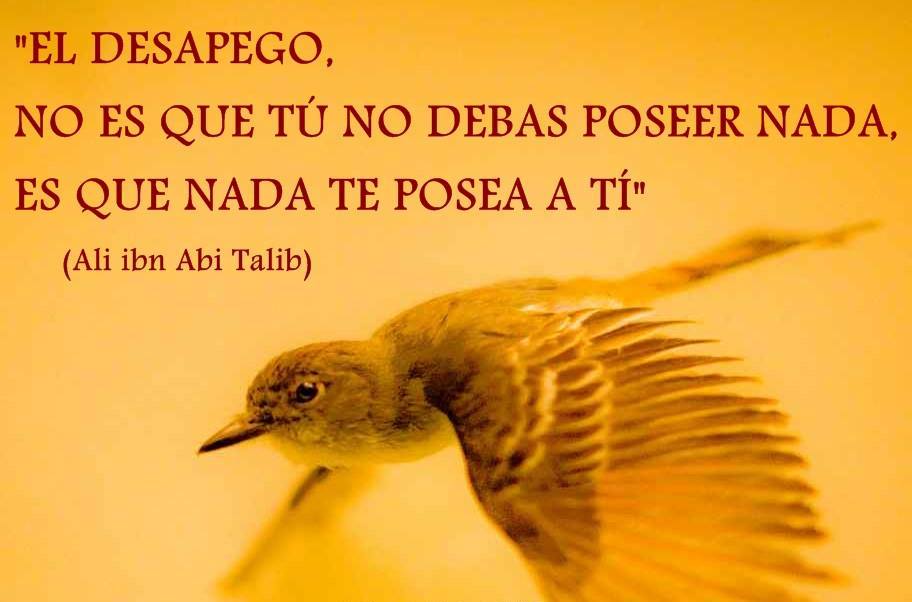
Se acabaron los trabajos, los esfuerzos. De tu interior fluye una Vida Sencilla. En ella y para ella, todo sobra. Sobran las pertenencias y los anhelos, las renuncias y los desapegos. Y sobran los deberes y los saberes, los quereres y los quehaceres. Vacíate interior y exteriormente. En el Amor nada precisas; todo sobra cuando tu vida es ya Viento de Libertad.
Camina sobre las aguas,
Todopoderosa Alma Libre.
Llegó la hora. Es el momento.
Comparte conmigo,
unidos en el Corazón,
la Vida tanto tiempo soñada.
Sin miedos, sin miradas al pasado
y sin necesidad de futuro,
disfruta de la Vida que has creado.
Todopoderosa Libertad:
¡Sé Libre Aquí y Ahora!
Todo es Perfecto. Todo.
Limpia tu mirada desde tu Ser Divino.
Perfecta es la Vida que hemos creado
Llegó la hora. Es el momento.
Sé Feliz Aquí y Ahora.
El momento del Amor es el Ahora.
Así lo decidió la Vida;
así lo decidió el Amor mismo
y el Amor de Dios que Es Tú
y Todos Somos.
Libres. Por fin… ¡Libres!
Nacer de nuevo
Todo lo expuesto puede y debe ser resumido como una especie de “Muerte en Vida” para experiencia la “Resurrección en Vida” y el “Nacer de Nuevo”, que no es algo físico, por más que ocasione una Metamorfosis tan profunda que es, a la vez, interior (espiritual, consciencial) y “exterior” (de los componentes biofísicos y energenéticos de la corporeidad material por medio de la alteración, desdoblamiento, distensión y transmutación del ADN que el ser humano tiene impreso en cada una de sus células). Y tampoco caben en palabras, pues su naturaleza y esencia, al hilo de lo que acaba de exponer, no pueden ser pensadas (soñadas) ni vislumbradas mientras se permanece en el sueño.
No obstante, Cristo Jesús ofreció algunas pistas importantes al respecto en su charla con Nicodemo (Juan, 3, 3-7):
“-En verdad, en verdad te digo: el que no nazca de nuevo, no puede ver el Reino de Dios.
Le dijo Nicodemo:
-¿Cómo puede un hombre nacer siendo viejo?. ¿Puede acaso entrar por segunda vez en el seno de su madre y nacer?.
Le respondió Jesús:
-En verdad, en verdad te digo: A menos que uno no nazca de Agua y de Espíritu no puede entrar en el Reino de Dios (…) Vosotros tenéis que nacer de nuevo”.
Lo que hay que poner en relación con los que diría después a la mujer samaritana junto al pozo (Juan 4, 13-14):
“Cualquiera que beba de este agua tendrá de nuevo sed, pero el que beba del Agua que yo le daré, no tendrá sed jamás, porque el Agua que le daré se tornará en él una Fuente de Agua que mana para la Vida eterna”.
Lo que sí sabemos, por la experiencia de los que lo han vivenciado, es que, tras nacer de nuevo, se notan inicialmente sensaciones de vértigo y vacío. La razón es muy sencilla: tras Despertar, los parámetros, las pautas y el “sistema de creencias” que se han tenido durante el sueño –y que han llevado al Despertar- dejan de ser válidas y requieren de un nuevo formato porque ahora se experiencia una realidad que es “Real”, no ficticia como la que se percibió durante la ensoñación.
Pero no hay que inquietarse, sino alegrarse, pues, con confianza en la Providencia, esas sensaciones pronto quedan atrás y, en su lugar, surge algo espléndido: constatar que vivir lo “Real” impulsa irrefrenablemente a vivir en el Aquí y Ahora. Esto, que en el sueño costaba tanto esfuerzo, es la vivencia natural en lo “Real”. Y esta vivencia hace explosionar el Amor que Somos y Todo Es, ya que el Aquí y Ahora se manifiesta como el espacio donde fluye el Amor y en el que el Amor acaricia y abraza cuanto existe, incluido a uno mismo, si bien este concepto y noción empieza rápidamente a diluirse.
Y para seguir avanzando en lo que Nacer de Nuevo representa y supone hay que volcarse en el Corazón. Hay que desplegar en el interior la Bandera Blanca de la Rendición (la Aceptación absoluta de cuanto es y tal como es), centrarse en el Silencio Mental e Interior, abandonar para siempre las disquisiciones y diatribas intelectuales y conceptuales y Vivir y Escuchar desde el Corazón: “Quien tenga oídos para oír, que oiga” (Marcos, 4, 23).
Blowing in the Wind
¿Qué es tu vida?
Miedo y vanidad; vanidad y miedo. Y una huida constante, ansiando desesperadamente tu cuidado y tu contento, del sufrimiento originado precisamente por la vanidad y el miedo.
No te digo esto para que cambies, no pretendo que tú ni nada cambie, sino para que te observes. Como quien se mira en un espejo.
Y al observarte, te aceptes a ti mismo y, a partir de ahí, a los demás y cuanto te rodea. Y al aceptar, ames. Y al amar, te sientas Amado por la Vida y la Creación. Y al sentirte Amado, te rindas.
¡Ríndete!. Total y definitivamente. Comprobarás entonces y sólo entonces que la Rendición no es fruto de la impotencia, sino del empoderamiento; que no es efecto de tu pequeñez, sino del endiosamiento que florece al constatar que Dios es yo y yo soy Dios cuando todo cesa y dejo de identificarme con cualquier tipo de identidad, sea física o espiritual, sea individual o colectiva.
Con la Rendición explosionará en ti, de manera natural y sencilla, una Nueva Vida que no puede ser pensada, ni conceptualizada ni predefinida. En ella luce exclusivamente la Bandera Blanca de la Rendición plena.
Para que ondee y se despliegue en su colosal dimensión y hermosura, insuflará la Bandera Blanca una Libertad radical y completa que emanará de tu interior como espléndida y sutil brisa de Amor.
Es una brisa suave, sí, pero implacable. Te despojará de cuanto has sido, tenido, anhelado y temido; te impulsará al abandono y al desalojo hasta vaciarte de toda vanidad, en cualquiera de sus manifestaciones; y, finalmente, te llevará a donde le dé la gana.
Y tú no tendrás miedo. Vacío y sin nada ni necesidad de nada, te dejarás llevar, fluirás y no tendrás miedo. Nunca jamás.
La Confianza habrá anclado para siempre en tu Corazón y tú ya no serás tú: sabrás bien lo que supone «Nacer de Nuevo» y te habrás transformado en el Viento que todo mece, todo acuna y todo Ama, pues es el Amor mismo y puro.
¿Qué es tu vida?
La respuesta, como intuyó Dylan, está flotando en el Viento.
Y el Viento es Tú, que eres Yo como Yo Soy Tú. Es decir, Amor
























 Quiero darte las gracias de nuevo por haber pensado en mi para este premio. Los invito a visitar el blog de Marina, que estoy segura les gustara y sera de mucha utilidad para conservarse saludables.
https://consejonutricion.wordpress.com
Quiero darte las gracias de nuevo por haber pensado en mi para este premio. Los invito a visitar el blog de Marina, que estoy segura les gustara y sera de mucha utilidad para conservarse saludables.
https://consejonutricion.wordpress.com