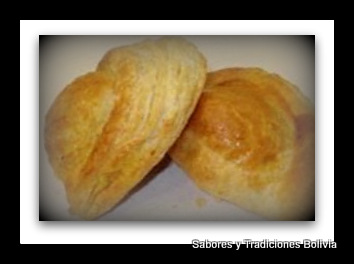
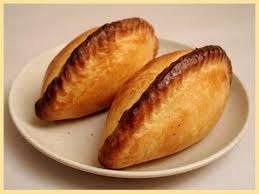
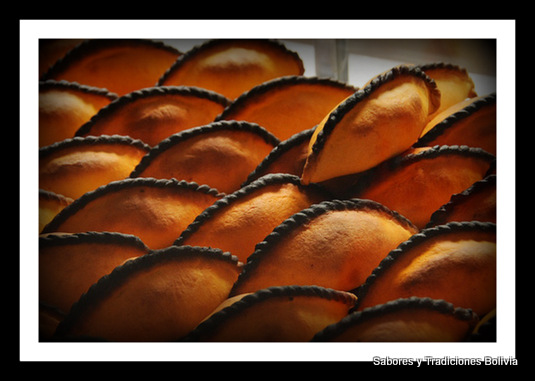
Un rito se construye a lo largo de los años. Pero, ¿dónde se inicia? ¿quién lo inicia? Que las salteñas se comen en la mañana, nunca pasado el mediodía. Que una salteña —mujer venida de Salta (Argentina) les dio el nombre.
Que qué horror, qué error, que más boliviana, imposible, pues sólo en estas tierras frías podía inventarse el caldo cuajado y encerrado en fina masa. Que si las mejores son las de aquí, que las de allá, que si hay ingredientes secretos. Que si es mejor una salteñada que un té para celebrar los cumpleaños… ¡Cuánto da para hablar una empanada que con gentilicio quizás equivocado es absoluta e indiscutiblemente boliviana!
Comencemos por la historia. La versión que maneja uno de los salteñeros en La Paz cuenta cómo una familia procedente de Salta llegó a Tarija, donde subsistía con la venta las empanadas típicas de su región. Sin embargo, al ver que los compradores eran siempre pocos, la familia, cuyo apellido el empresario no es capaz de recordar, decidió migrar a Chuquisaca. Allí, los sucrenses, conquistadores y románticos se fijaron en las hermosas hijas salteñas vendiendo las empanadas, así que decidieron piropearlas a través del producto que sus manitas ayudaban a preparar.
Tal versión se le hace antojadiza a la investigadora Beatriz Rossells Montalvo, cuyo trabajo de recuperación de recetas de la comida boliviana ha merecido premios internacionales. Las ‘empanadas de caldo’, asegura, se conocieron como tales al menos hasta los años 60. Puede que los salteños hayan llegado a Tarija, claro, “porque queda cerca de la Argentina, sin embargo, en Sucre no han tenido influencia estas familias”, afirma Rossells.
Menos en Potosí, a donde se apunta para encontrar el origen del bocado caliente, jugoso y picante.
“Las empanadas ya formaban parte de los menús que trajeron los españoles al nuevo continente, sin embargo, en cada país y en cada ciudad se han ido diferenciando hasta adquirir el sabor que tienen en la actualidad. Lo que diferencia a las empanadas bolivianas es el ají y el hecho de que son más jugosas que en otras partes, al menos que en Salta y que en Chile”, explica la investigadora radicada en La Paz y chuquisaqueña de nacimiento.
Juana Manuela Gorriti, intelectual salteña, pasó en Bolivia toda su juventud, pues su familia, amenazada por la dictadura de Rosas, emigró al igual que un grupo de liberales e intelectuales, “quienes probablemente llegaron a La Paz”. Dice la tradición que “en los primeros tiempos, los Gorriti sufrieron pobreza y hambre. Su mamacita la peleaba haciendo empanadas, y para ahorrar utilizaba un solo disco de masa, para luego repulgarla”, publica la página web El portal de Salta.
En el libro La gastronomía en Potosí y Charcas. Siglos XVIII, XIX y XX, escrito por Beatriz Rossells, se consignan los recetarios que sirven de irrefutable prueba del pasado altoperuano de las hoy llamadas salteñas. Doña María Josepha Escurrechea y Ondusgoytia, condesa de Otavi y marquesa de Cayara, natural de la Villa de Potosí, hija de vizcaíno y potosina, recolectó recetas varias correspondientes “al periodo de su plena vida de mujer, madre de familia y ama de casa. Hija de español y potosina, en el libro captura los conocimientos de ambos mundos, no sólo del tiempo de vida de sus abuelos sino de los antepasados de éstos”. Y de sus descendientes, se diría, pues en Sucre se siguen usando las uvas pasas que aparecen en la receta de empanadas flamencas de 1776. Sin embargo, se añade aquí papa y cebolla. La canela ya no se usa, pero la manera de prepararlas, en general, es la y claramente la base para las apreciadas “salteñas”.
El otro recetario, que se encuentra en manos de la investigadora, data de 1917 y está recogido por Sofía Urquidi, en Chuquisaca. En él se conoce de las prácticas culinarias de la élite boliviana de finales del siglo XIX y principios del XX. Y, claro, empanadas de caldo abundan.
El nombre de ‘salteña’ se ha podido expandir desde La Paz a finales del siglo XIX, debido a las muchas familias que emigraron desde la Argentina durante las dictaduras de esas épocas. Como también hacían empanadas, es muy probable que se fuera generalizando el nombre de “salteña” con que alguien asoció aquella repostería con las empanadas de caldo.
Es muy probable que todas estas precisiones históricas no afecten la forma de nombrar el bocado. Pero es entendible el celo de los investigadores como Rossells, dada la importancia que tiene la salteña para los bolivianos: como refrigerio, pero también como imagen con que los extranjeros aprenden a asociar al país.
Las tradiciones de una reina
La salteña conserva un reinado sereno en La Paz, que no han podido disputarle las novedades de la llamada comida rápida. Uno de los monarcas de las empanadas de caldo es David Soria Cárdenas, gerente general de La Nueva Gaita, uno de los establecimientos más tradicionales de la sede de gobierno. “La empresa comenzó con un hombre, Florencio Soria, mi padre, allí por agosto de 1961, cuando yo tenía 11 años”, dice David. En ese momento había una competencia muy reñida, pues varias salteñerías tradicionales se disputaban el paladar de la gente en el centro de la ciudad”. No obstante, La Gaita se hizo sentir y “comienza ahí otra tradición, pues surgen las salteñas especiales: carne picada en vez de carne molida y más grandes en relación con las normales”. La gente pagó por ellas, sin chistar, un boliviano, es decir el doble de los 50 centavos de las normales.
Las empanadas de caldo, afirma Beatriz Rossells, se comían en el pasado, tal cual hoy, por la mañana. Los salteñaficionados defienden el hecho de que no se pueden pedir en la tarde porque “¡qué barbaridad!, cambiaría su sabor”.
Y sin embargo, David Soria recuerda que cuando él era pequeño, las salteñas se servían a la hora del té. “Recuerdo que así sucedía en una pastelería muy famosa, llamada Towa, ubicada en la Mariscal Santa Cruz, donde hoy se erige el edificio La Primera. Los propietarios eran Ignacio Espejo y Tomás Alvarado, de los pocos que compitieron con los japoneses —a quienes además heredaron el local— en eso de las confiterías. Muchas de las personas que trabajaban en Towa abrieron luego sus propias confiterías y le dieron a sus empanadas con caldo un sabor propio, entre ellos mi padre”, narra.
A quien se le ha metido la idea de imponer las empanadas con caldo en la tarde es a Mario Chavarría Torres, gerente general de Paceña la Salteña. Dueño de una planta de elaboración y tres sucursales en La Paz, este empresario quiere romper lo que considera una costumbre matutina limitante y que lo hará en breve.
Pero si de desafíos se trata, la exportación al por mayor es algo pendiente: “Me gustaría que la salteña fuera como los tacos, que se pudiera exportar a todo el mundo y convertirse hacia fuera en un producto de referencia de la gastronomía nacional”, aspira David Soria, que recuerda haber visto este febrero una salteñería al lado de un local de McDonald’s en el aeropuerto brasileño de Guarulhos (Sao Paulo).
Frente a una salteña
Básicamente hay dos formas: con cucharilla, los menos diestros, y a mano limpia, los expertos. El primer paso es común para ambos: sostener la salteña con una mano, en posición vertical, y quitar la punta del repulgo con los dedos de la otra mano (también se lo puede hacer con los dientes, siempre y cuando se tenga dentadura original y resistente). Por ningún motivo se debe realizar la mala (y acostumbrada) práctica de sacudir la salteña antes del primer mordisco, ya que es como agitar una botella de gaseosa antes de quitarle la tapa.
Si no se emplea cucharilla, hay que levantar la salteña hasta la altura de la boca e inclinarla lentamente hasta que caigan las primeras gotas de su jugo sobre la lengua (demás está decir que para eso hay que tener la boca abierta). Si el jugo no está hirviendo, entonces se puede repetir el procedimiento sin tanta cautela y beber un buen sorbo, a fin de que no se produzca un derrame prematuro.
Si se emplea cucharilla, ésta debe sostenerse con una mano, y con la otra, inclinar la salteña suavemente, para que el jugo salga por el orificio hasta colmar la concavidad del utensilio. Se debe repetir el procedimiento de dos a cinco veces hasta que dar la primera mascada no implique riesgo de desangre. Bajo ningún motivo se debe comer el relleno con la cucharilla y dejar la masa, ya que eso equivale a comer el relleno del pavo y botar el ave.
En ambos casos, con o sin cucharilla, se debe comer el resto de la salteña realizando la extracción previa del jugo antes de la siguiente mascada. No hay que sentirse confiado ni siquiera en el último bocado, pues la aceitunas suelen funcionar como válvula, manteniendo en el fondo una buena cantidad de jugo.
Como en cualquier actividad riesgosa, se debe tomar los recaudos necesarios antes de emprenderla, que en este caso sería: tener más de cinco servilletas a la mano para remediar de inmediato un error de cálculo o un mal movimiento, sobre todo si quien come la salteña tiene barba y/o bigote.










 Quiero darte las gracias de nuevo por haber pensado en mi para este premio. Los invito a visitar el blog de Marina, que estoy segura les gustara y sera de mucha utilidad para conservarse saludables.
https://consejonutricion.wordpress.com
Quiero darte las gracias de nuevo por haber pensado en mi para este premio. Los invito a visitar el blog de Marina, que estoy segura les gustara y sera de mucha utilidad para conservarse saludables.
https://consejonutricion.wordpress.com