¿Qué es el ahumado?
El ahumado consiste en someter los alimentos a los efectos de los gases y vapores de partes de plantas incompletamente quemadas, generalmente de madera (productos de combustión lenta). Es un proceso que además de darle sabores distintos a los alimentos sirve como conservador alargando la vida útil de los mismos.
¿Cuál es el propósito del ahumado?
El ahumado tiene como propósito el aumento de la capacidad de conservación y la modificación adecuada de la textura, el aspecto (color), el aroma y el sabor de los alimentos.
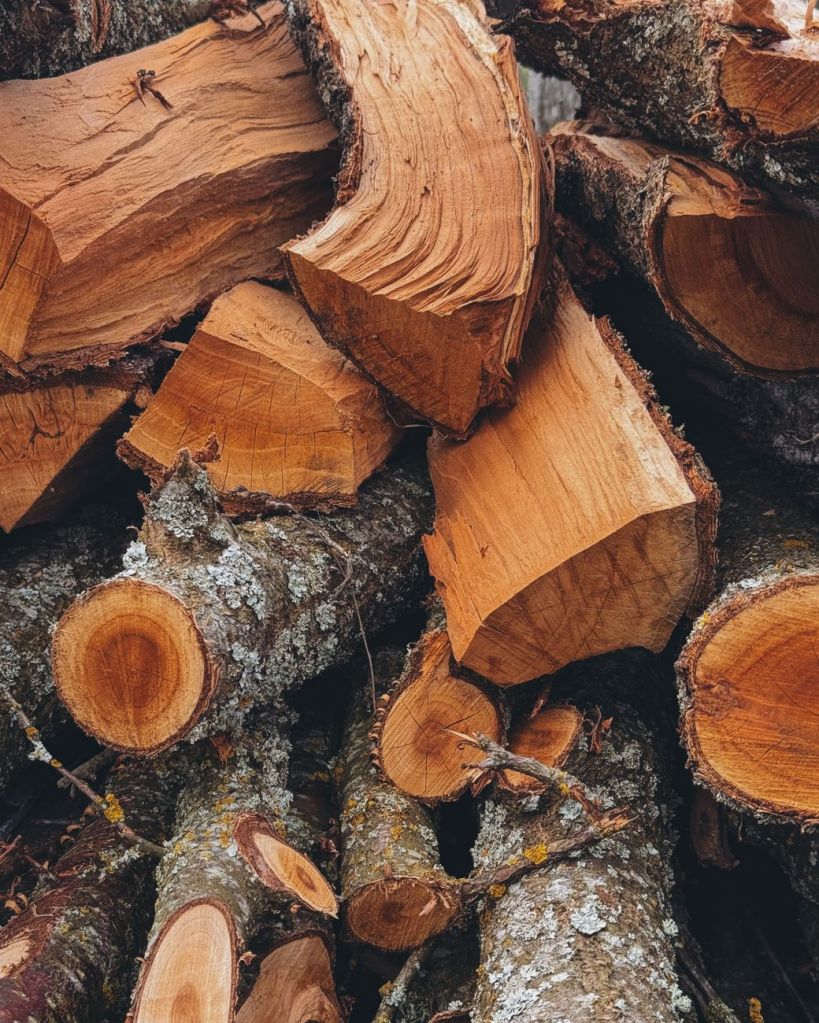
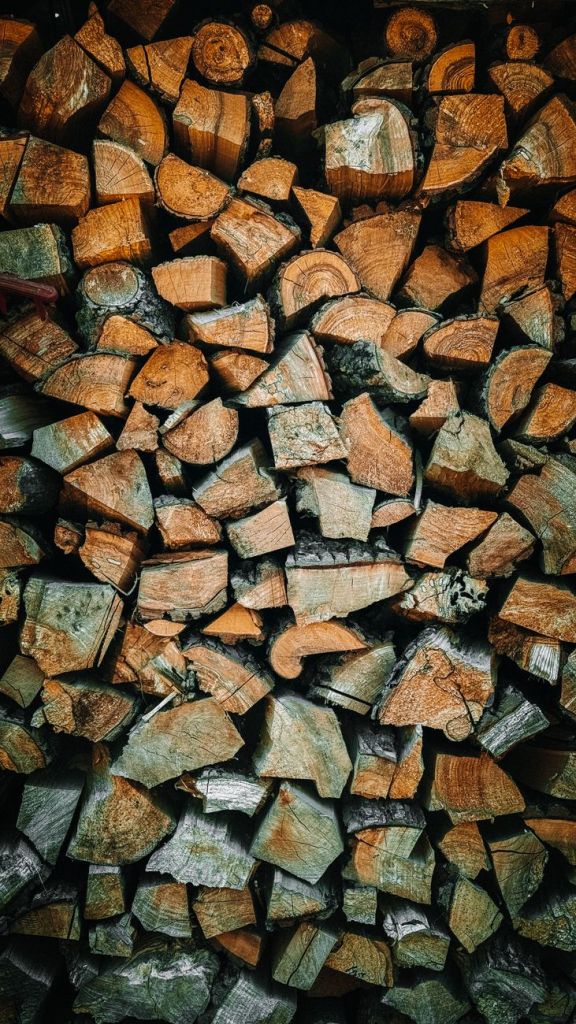
Como agentes ahumantes se utilizan generalmente maderas duras (de haya, caoba, encino, cedro, abedul, roble, olmo), estas maderas se utilizan en estado natural.
PRODUCCIÓN DEL HUMO DEL AHUMADO
El humo se produce en dos etapas:
1) Por pirolisis, que consiste en la descomposición térmica de los componentes de las maderas y en la formación de nuevos productos de reacción.
2) Por oxidación, con aporte de aire de una parte de dichos productos de descomposición.
Los componentes principales de la madera – la celulosa, la hemicelulosa y la lignina – se descomponen en la pirolisis en una reacción se produce en
En primer lugar:
- Glucosa: que pasa a ser dehidroglucosa y después a ácido acético y furano.
- Hemicelulosa: se descompone térmicamente en derivados furánicos y en ácidos carbónicos alifáticos.
- Lignina: da principalmente fenoles.
La descomposición de estos componentes está influenciada tanto por la temperatura como por el aporte de aire, además del tipo de madera.
La temperatura óptima para la pirolisis es de aproximadamente de 400°C y para la oxidación se considera de 200°C. La presencia de un exceso adecuado de aire es importante.
Composición del humo
Contiene esencialmente
- a) Sustancias gaseosas: Fenoles, ácidos orgánicos y carbonilos
- b) Sustancias no volátiles (en forma de partículas): Alquitranes, resinas, cenizas y hollín.
EFECTOS DEL AHUMADO SOBRE LOS PRODUCTOS
1) Coloración del ahumado:
Se consideran componentes colorantes del humo algunas sustancias volátiles del grupo de los fenoles. También el furfurol y sus derivados tienen propiedades colorantes.
Dentro de las reacciones químicas entre los componentes de humo y del alimento hay que indicar una reacción no enzimática de pardeamiento (la reacción de Maillard) y en los alimentos con contenido proteico, una rección de las aminas con los carbonilos del humo que producen compuestos que dan un color pardo.
La coloración del ahumado tiene una amplia gama de tonalidades, desde amarillo claro hasta negro, pasando por marrón claro y marrón oscuro de distintas intensidades. El color final también depende del color propio del producto que se somete al ahumado (carne y grasa).
Los productos cárnicos que se ahúman casi siempre han sido curado previamente por adición de sal, nitratos y nitritos, por lo que la coloración del curado actúa como componente importante de la coloración del ahumado.
El color pardo al combinarse con el rojo del nitrosilmiohemocromo de lugar al color rojo caoba de los embutidos ahumados. Si no se permite que se desarrolle primero el color del curado, este color embobinado solo se observa en la superficie externa del embutido.
La intensidad del color se incrementa, además, por el secado de los productos.
Los procesos oxidativos pueden actuar destruyendo la coloración del curado, por lo que puede suceder que los productos originariamente rojizo-amarronado adquieran tonalidades grisáceas-marrones.
SABOR
Tanto los fenoles como los compuestos carbonilos contribuyen al sabor del ahumado. La mayoría de las sustancias se pueden destilar en vapor y son fácilmente combinadas con el líquido de ahumado. Algunos ácidos orgánicos también contribuyen al sabor.
AROMA
Bajo aroma del ahumado se entiende una compleja sensación sápida originada por los componentes del humo. Parece ser que también contribuyen una serie de reacciones entre componentes de los alimentos a la formación del sabor del ahumado. Los principales responsables son unos compuestos de tipo fenólico, también contribuyen a la formación del aroma una serie de ácidos carbónicos de cadena larga, que reaccionan con las proteínas de los alimentos.
EFECTOS CONSECUENTES DEL HUMO
El humo ejerce una acción conservante limitada por lo que suele combinarse el ahumado con otro procedimiento de conservación (curado, secado).
Los componentes del humo de acción inhibidor de los gérmenes son fundamentalmente el formaldehido, la cresota (mezcla de guayacol, metilguayacol, cresoles y xinoles), los fenoles y algunos ácidos como el acido fornico y el acido acético.
La acción inhibidora del humo contra los gérmenes es más intensa en aquellos lugares donde más se encuentran estas sustancias, que suele ser la capa superficial del alimento. El ahumado, se considera por tanto, un método de conservación superficial.
La coagulación de las proteínas (favorecida por los ácidos orgánicos del humo) que provoca el calentamiento impide, o al menos inhibe la difusión de los componentes del humo hacia el interior del producto. En los embutidos crudos, los componentes del humo penetran por difusión en el interior de la masa contribuyendo asi a la conservación de toda la masa.
A algunos componentes del humo se les atribuye una acción antioxidante. El ahumado inhibe la oxidación de las grasas en los productos cárnicos, en este sentido se supone que los componentes activos del humo son, sobre todo, los fenoles y en menor grado los ácidos orgánicos.
La acción antioxidante de los fenoles se ve reducida cuando se calienta el humo ya que esto puede provocar la oxidación de los mismos fenoles, que pierden así parte de sus efectos antioxidantes.
Otras sustancias como los alcoholes, los aldehídos, las cetonas y las bases orgánicas poseen una acción pro-oxidantes.
ALGUNOS TIPOS DE MADERAS Y SUS USOS
A continuación hago un pequeño listado de algunos tipos de maderas que son bastantes propicias para el proceso de ahumado.
Acacia
Estos árboles se encuentran en la misma familia que el mezquite . Cuando se quema en un ahumador , la madera de acacia tiene un sabor similar a la de mezquite pero no tan pesado.La Acacia quema muy fuerte y se debe utilizar con moderación.
Bien con la mayoría de las carnes, especialmente la carne de vacuno y la mayoría de las verduras.
Aliso
Un dulce, humo almizclado que es la madera tradicional países del Noroeste. Va muy bien con el salmón
Bueno con los pescados , carne de cerdo , pollo y aves de caza de carne de luz.
Almendra
Un sabor a humo de nuez y dulce . Muy similar a la pacana
Bueno con todas las carnes .
Manzana
Probablemente el humo madera fruta más utilizado . El sabor es más suave y más dulce que el nogal . Manzanos ornamentales como manzana de cangrejo se pueden utilizar también.
Bueno con todas las carnes .
Albaricoque
Gran sustituto de la manzana , ya que también es más suave y más dulce que el nogal .
Bueno con todas las carnes .
Ceniza
Quemador rápido , ligero pero distintivo sabor a humo.
Bueno con los pescados y las carnes rojas.
Madera de bahía
Humo floral mediano con toques de especias y canela.
Bien con la mayoría de las carnes y verduras.
Haya
Una madera suave muy utilizado como el roble .
Buena carne y mariscos.
Abedul
Madera dura medio con un sabor similar al humo de arce.
Bueno con carne de cerdo y aves de corral .
Mora
Al igual que el bosque proporcionados por los árboles frutales , el diámetro pequeño , ramas espinosas de la zarza mora proporcionan un sabor ligeramente dulce y delicado.
Bueno para asar aves y otras carnes , como la caza menor de pluma , como el urogallo , faisán , perdiz y codorniz.
Cereza
La segunda madera más utilizada . Humo afrutado ligeramente dulce que está muy bien con casi todo . Se puede ennegrecer la piel de las aves de corral dándole un aspecto poco apetecible , pero seguirá siendo un gran sabor . Es un excelente candidato para mezclar con una madera más ligera como la manzana o albaricoque para reducir el ennegrecimiento . Lo que ennegrece la piel de pollo hace un gran anillo de humo . Acabado en madera noble de cerezo como doble flor de cerezo se puede utilizar como un sustituto.
Bueno con todas las carnes .
Castaño
Ligeramente dulce , sabor a humo a nuez.
Bien con la mayoría de las carnes.
Mazorca de maíz
Aunque no se considera ser una verdadera madera, el corazón de la mazorca que contiene los granos es la sección alternativa para la madera. Se muele en pequeños trozos granulares que se pueden agregar a una caja de fumar o que se puede combinar con otras maderas como el bosque de árboles frutales, para impartir varios sabores . La mazorca de maíz proporciona un sabor dulce que puede dominar a la comida si se usa demasiado a la temporada la comida mientras se cocina . Comience por tratar pequeñas cantidades hasta que se alcance el sabor deseado .
A menudo se utiliza como moneda de fumar cuando la parrilla alimentos como el pollo, el pescado y la caza menor de pluma .
Álamo de Virginia
Es una madera suave que el aliso y muy sutil en el sabor. Úsalo para combustible, pero utilizar algunos trozos de otras maderas ( nogal , roble, pacana ) para obtener más sabor , ya que es extremadamente suave . No utilice álamo verde para ahumar.
Bueno especialmente en cerdo y costillas.
Higo
Suave y con sabor a fruta como la mora .
Bueno con todas las carnes .
Pomelo
Produce un agradable sabor ahumado suave.
Excelente con carne de res , cerdo, pescado y aves de corral .
Vid
Tartaro , aromático , pero puede ser un sabor pesado así que no exagere.
Utilice con moderación en las aves de corral o de cordero , pero de lo contrario si se usa con moderación es bueno para acompañar carnes rojas , cerdo y caza.
Guayaba
Sabor afrutado florido .
Bueno para todas las carnes.
Nuez dura
La madera más utilizada , incluso más que la manzana y la cereza. Dulce a fuerte, sabor tocino pesado.
Bueno para todos los fumadores , sobre todo de cerdo y costillas.
Gracias a todos por leernos y por seguirnos cada día . En breves empezaremos otra vez el año con las nuevas adaptaciones y mejores.






















 Quiero darte las gracias de nuevo por haber pensado en mi para este premio. Los invito a visitar el blog de Marina, que estoy segura les gustara y sera de mucha utilidad para conservarse saludables.
https://consejonutricion.wordpress.com
Quiero darte las gracias de nuevo por haber pensado en mi para este premio. Los invito a visitar el blog de Marina, que estoy segura les gustara y sera de mucha utilidad para conservarse saludables.
https://consejonutricion.wordpress.com


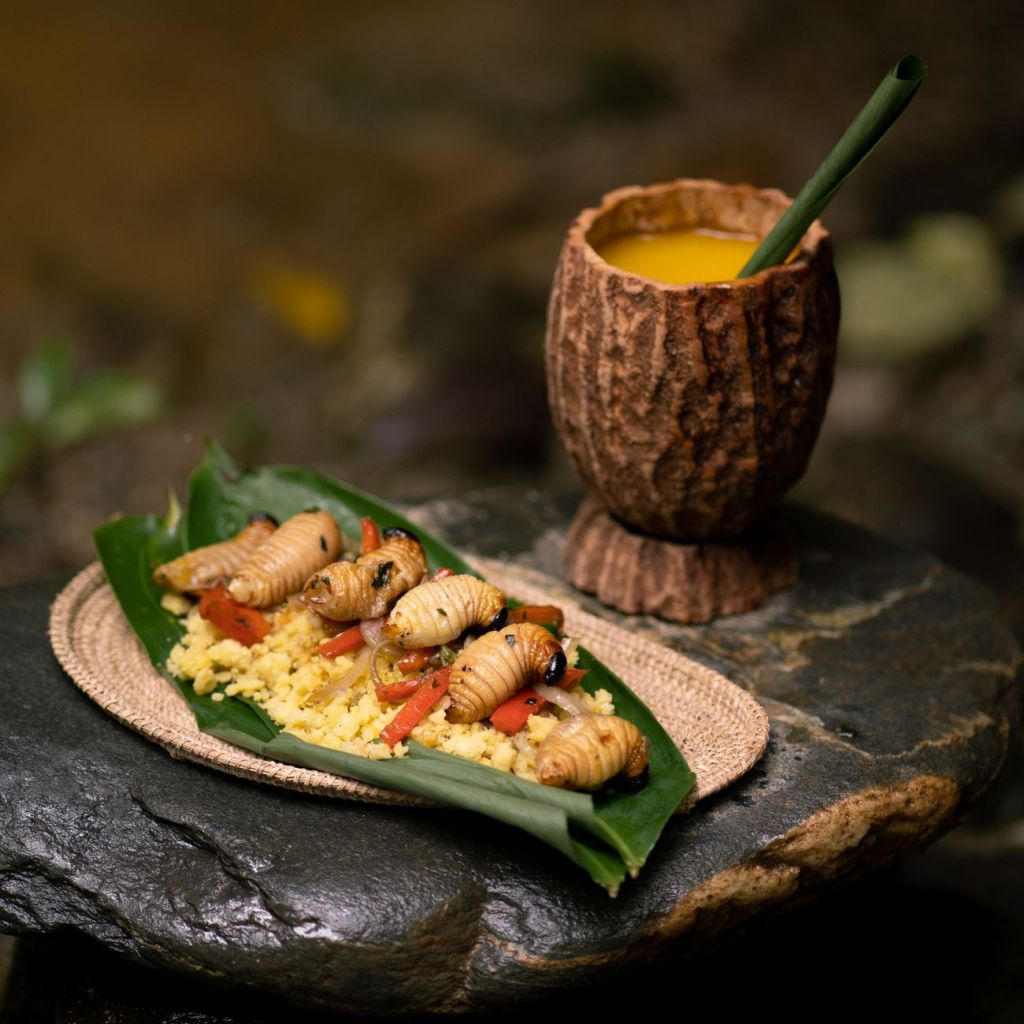
 Sabores de Bolivia