We arrive in Santa Cruz, Bolivia in the dead of winter. I know much has changed since the last time I was there in 2002, so I ask my best friend from high school, Ana Carola, to meet us at Cafe Victory, an old hangout spot we used to frequent in high school. We get to Cafe Victory around noon, and except for a few old men, the cafe is deserted.

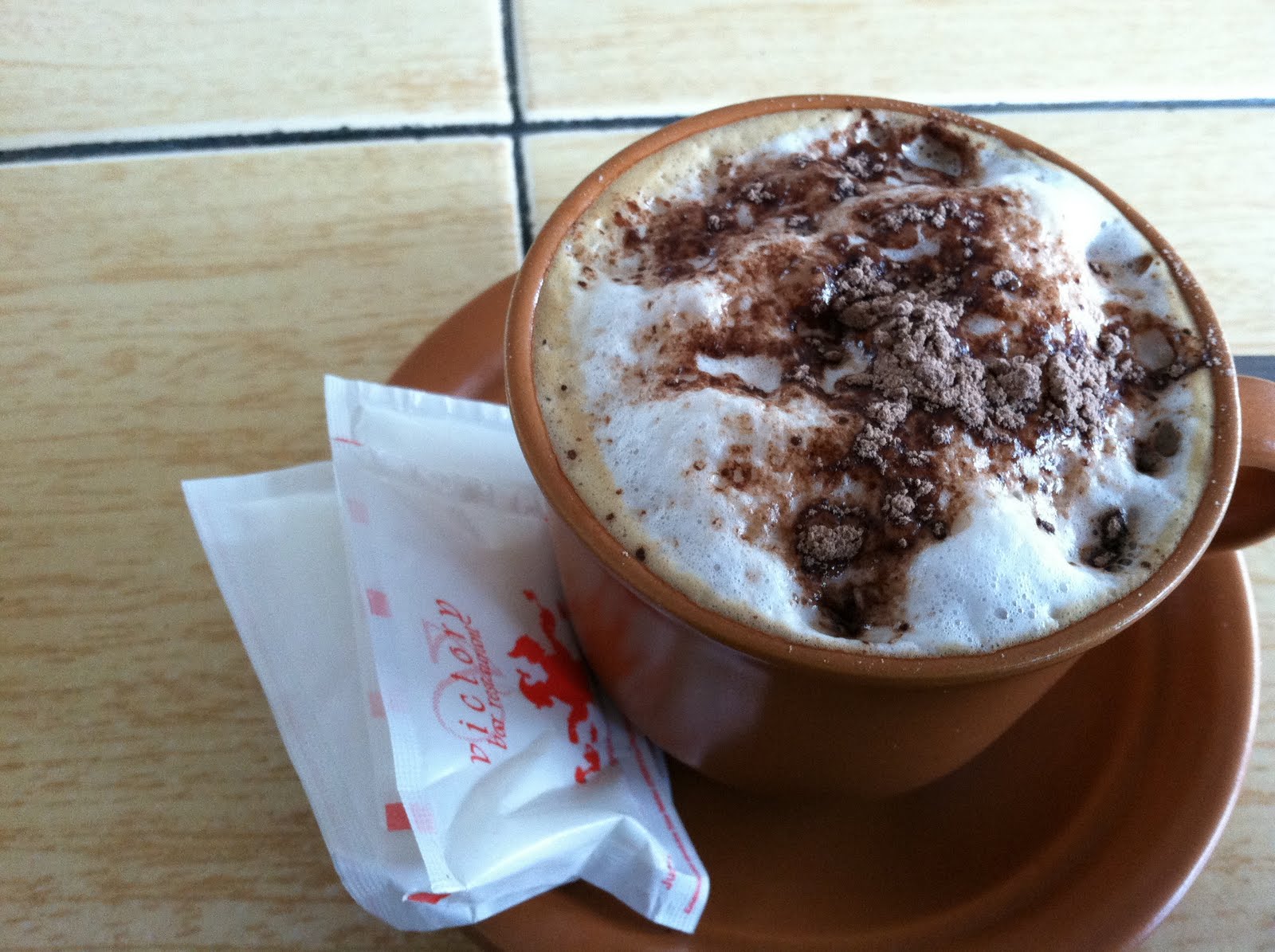

Ana Carola meets us and takes us down the block to her favorite hangout spot, Lorca.
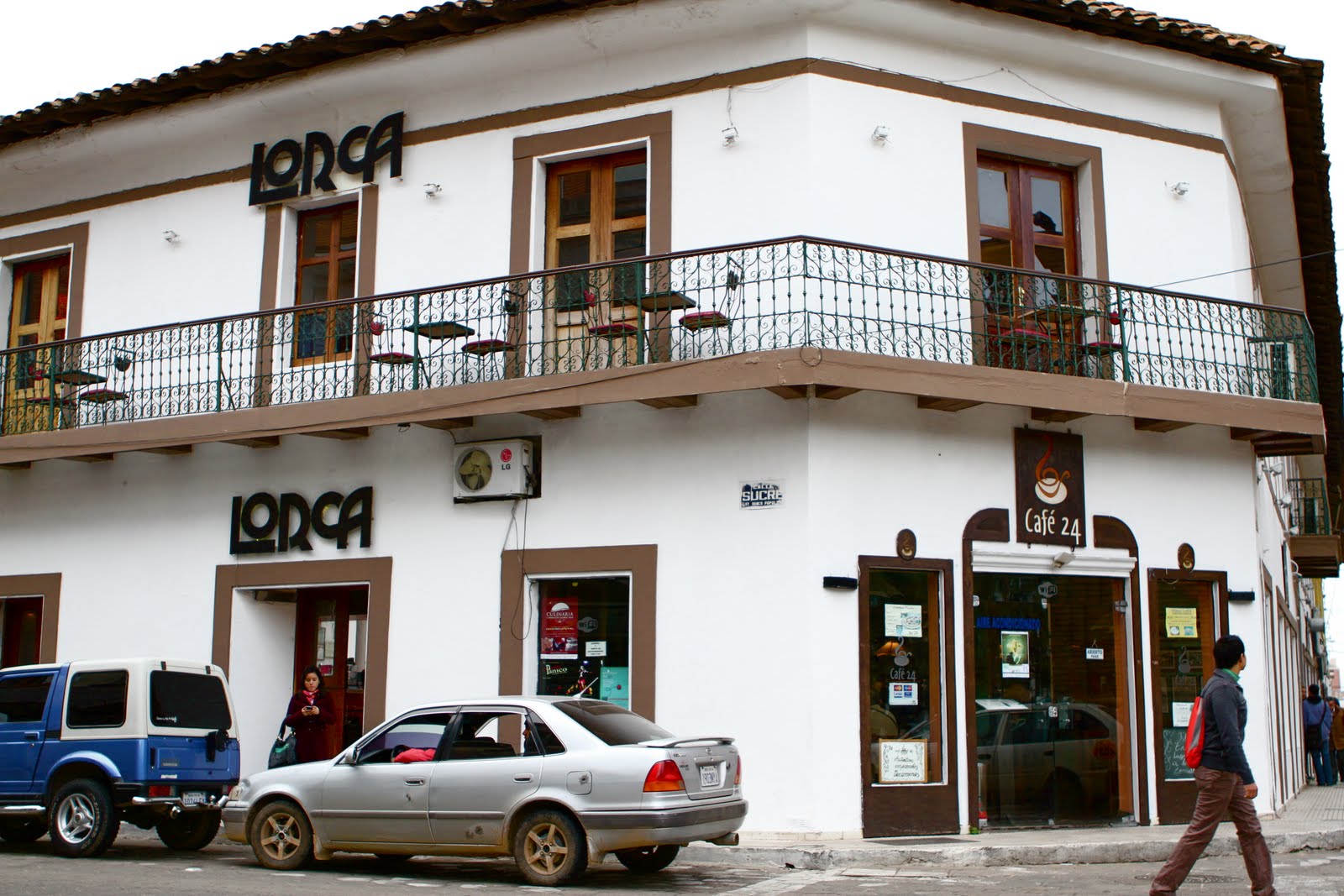
She’s good friends with the manager, Ubaldo Nallar, who is also an actor, producer, theater director, dramaturge, and cultural manager. Felipe Ibarreche, who is also the Bachelor of Tourism and Cultural Heritage Conservation expert, is the mixologist and part of Lorca’s administrative team.
Ana Carola is there around three times a week and gushes that it’s expanded to two stories, and outdoor area, and many indoor quarters. At night, a dj spins and it becomes a lively hot spot with the local artsy crowd, very open to foreigners, and a go-to spot for the Santa Cruz elite.
Lorca, named after Federico del Sagrado Corazón de Jesús García Lorca (talk about a long name), the famous Spanish poet, dramatist and theatre director (sense a pattern here?) is known for their French-Arabian food and a huge wine list as well as opening up their space for theatre plays, concerts, art exhibits and auctions, record releases, workshops and indie film screenings. Talk about an artist’s haven!
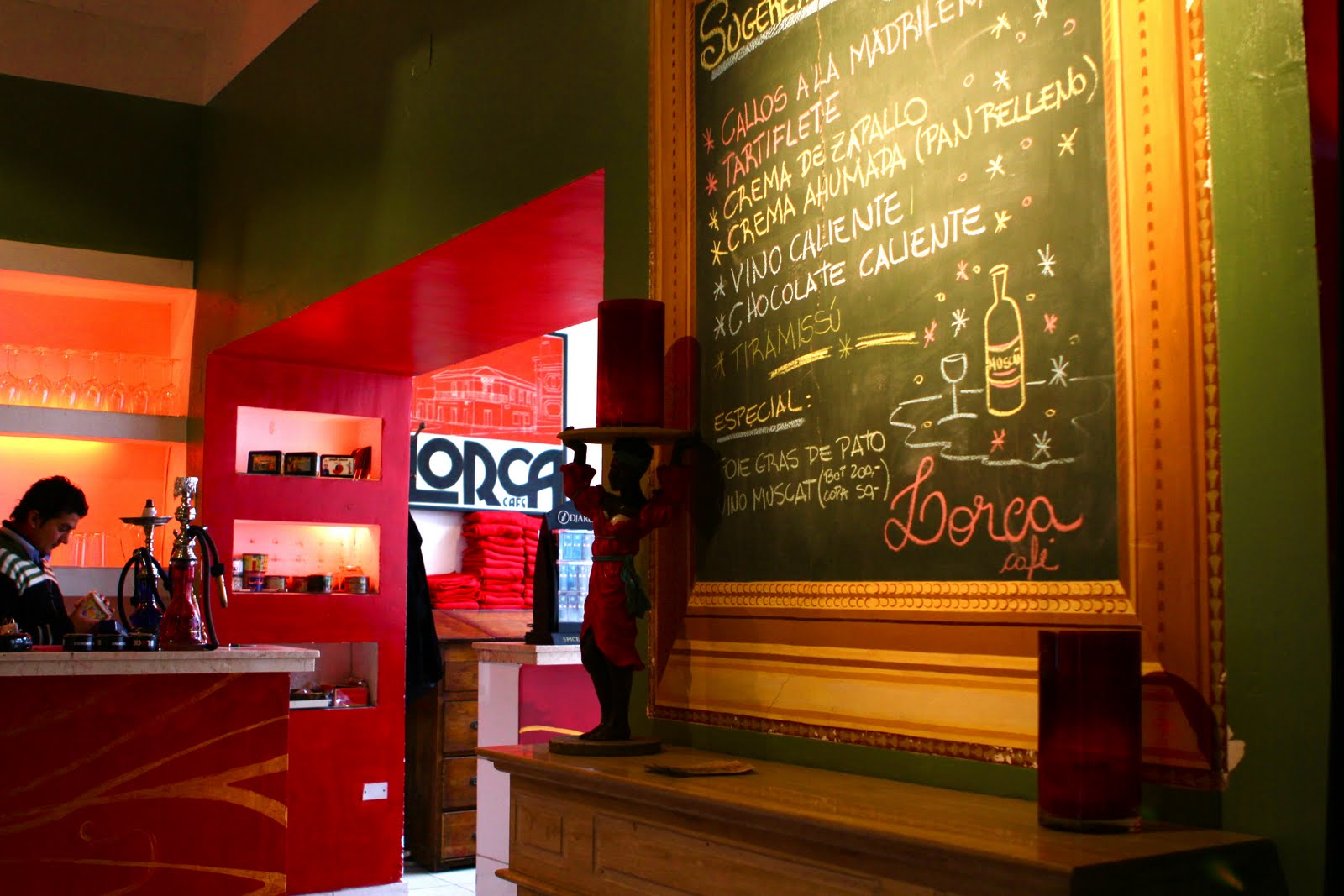
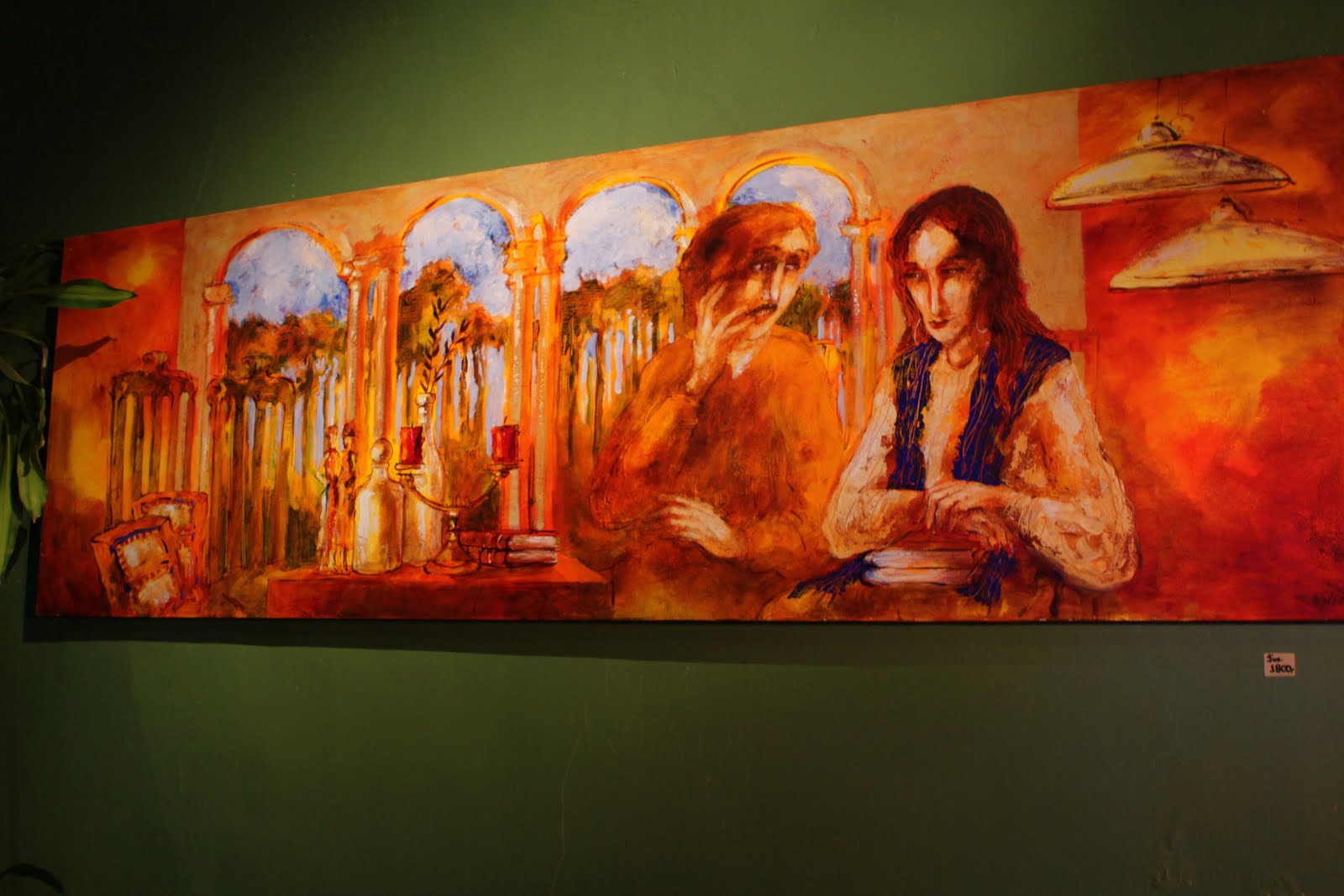
The moment we enter Lorca, we are enveloped by the bold interiors. The first room we are in is painted in green, orange, and red, with a gold-rimmed chalkboard menu, contrasting paintings, vintage hookahs on the bar, and some tables and chairs.


Rounding the corner is the outdoor patio area, speckled with red chairs. The black, white, and red decor matches their bold logo design. Along with the Spanish style architecture of the building, which is right next to the Plaza and the historical church of Santa Cruz, I feel like I’m transported to another time, another place. Wait, I technically am…

Lorca has wine from all over the Americas, Europe, etc. They even have Bolivian wine, which is amazing since I never knew Bolivia even made wines.


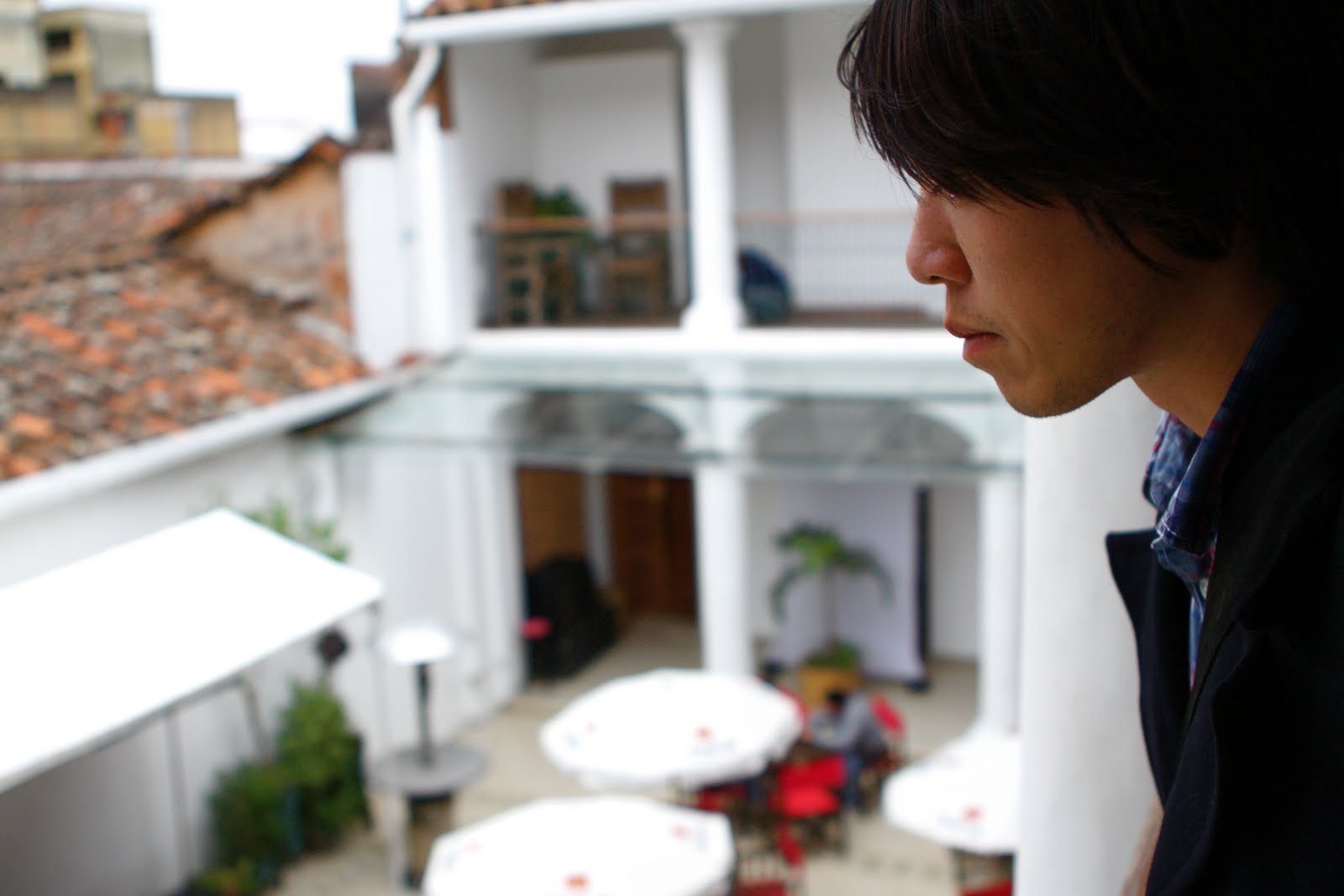
There are many different rooms at Lorca. The one below has interesting decals. I believe this is the hookah room.

One of the greatest things about this cafe/restaurant/bar/club/theatre space is the beautiful view of the Plaza 24 de Septiembre, the city’s primary and central plaza. To the left of this view is the church, Catedral de San Lorenzo, built in 1770.
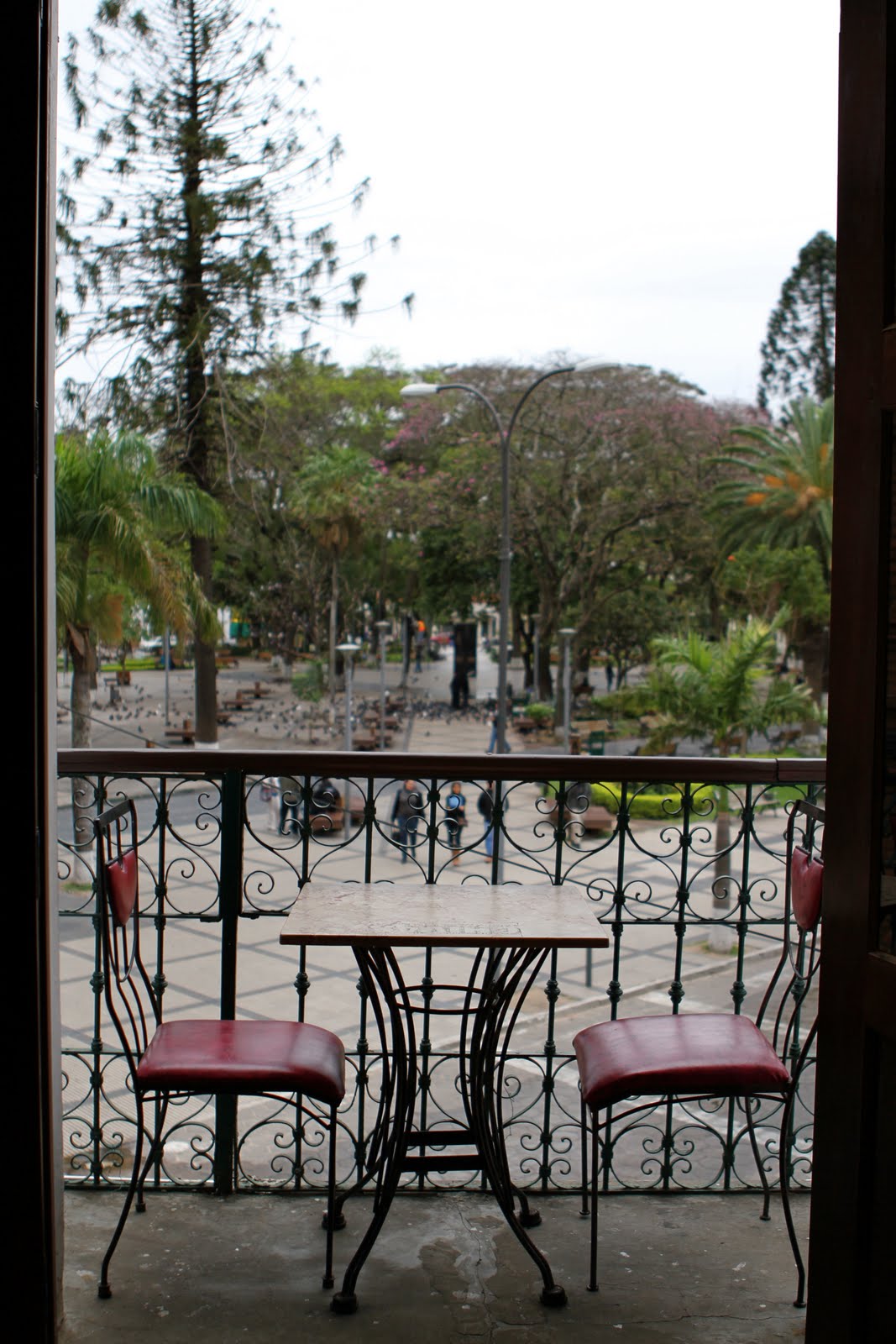
Because it is so cold, sitting in this particular table would be masochistic.

We start with the Foie Gras ($14 USD) accompanied by local Bolivian bread. This is straight from France, imported by a local.


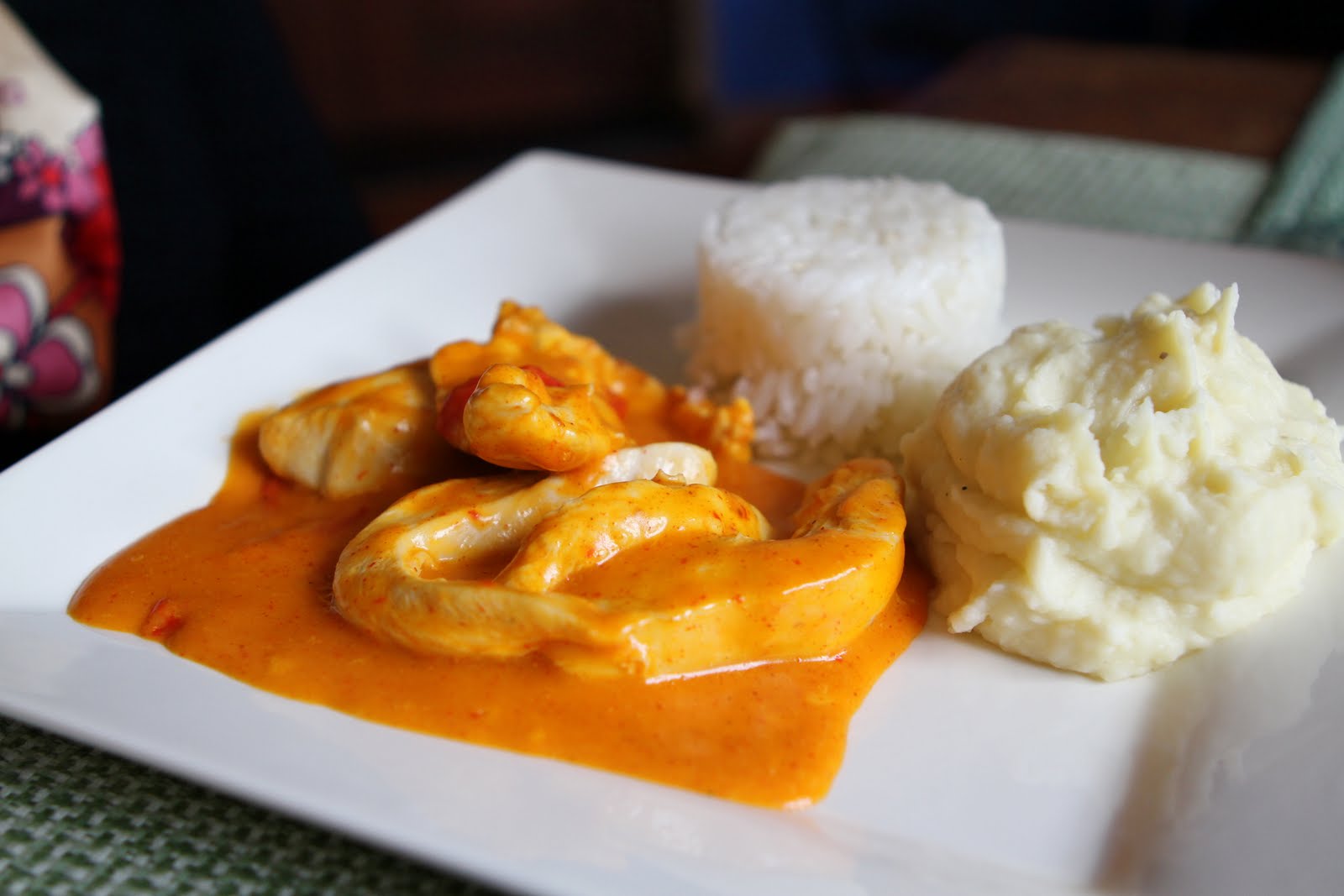
Ana Carola gets the Moqueca ($7 USD), which is a dish influenced by the Bahia region of Brazil where the cooking is very much derived from Africa. Moqueca Bahiana is basically a stew with vegetables, spices, with coconut milk and dendé oil (palm oil). The meat of choice here is chicken. To me, it seems more derivative of Thai cuisine than African – at least from the look and smell. The potatoes are mashed here.


My favorite dessert is the Aladino, or the Aladdin, which is also yogurt with agar to make it gel up into this thick pudding consistency but the yogurt itself is infused with rose water so it has a floral scent to it, which is intoxicating. The dates add the sweetness to it and conceptually, it really does live up to its name. Some trivia: my dad’s Bolivian name is Aladino (after his textile store). Hence, this is doubly special to me.


Watch it on trip films.




 Quiero darte las gracias de nuevo por haber pensado en mi para este premio. Los invito a visitar el blog de Marina, que estoy segura les gustara y sera de mucha utilidad para conservarse saludables.
https://consejonutricion.wordpress.com
Quiero darte las gracias de nuevo por haber pensado en mi para este premio. Los invito a visitar el blog de Marina, que estoy segura les gustara y sera de mucha utilidad para conservarse saludables.
https://consejonutricion.wordpress.com


 Sabores de Bolivia

uuuh tiene una pinta deliciosa y golosa! en mi hogar gusta mucho el dulce de leche, seguro que les encanta, gracias!
Muy buen post! Me encanta siempre lo que subes. Un abrazo grande desde mi buenos aires querido!
Maravilloso! Me ha encantado tu post y por cierto, buen blog. Un abrazo fuerte desde argentina!
Cristina Gracias x responderle a Facundo la intención es apreciable ... En realidad en Aiquile se prepara la "leche de coco" es de origen vegetal, del coco, un tipo de palma que producen en Chuquisaca, en Tarabuco... Decía la leche de coco se prepara moliendo el coco en batan de piedra, hasta obtener una masa pastos y de allí obtener su "leche" (jugo del coco) y luego se hace hervir con canela y clavo de olor en agua. Se sirve caliente con pastel de queso. No contiene nada de origen animal y tampoco alcohol.
Si puedes darte una escapada por los valles tanto del sur de Cochabamba, norte de Chuquisaca y norte de Potosí encontraras exquisiteces muy peculiares y propias a ser descubiertas y degustadas que también aportan al patrimonio de la cocina boliviana.
Muchas gracias por tan valioso blog y aporte al mundo Cristina.
PD: Sabes donde se puede encontrar regaliz en Cochabamba?
Que hermoso blog!!! Gracias por todo la compilación y tu tiempo.🤗🤗🤗🤗
Se ve increible. Lo voy a hacer
Gracias
Hola Cristina un gusto saludarte despues de mucho tiempo, yo sigo en la Cronica Gastronomica y ya van como siete mis libros sobre este tema apasionante
Antonio Jesus, gracias por tus palabras y seguirme. Una salsa tan fina no puede ser con manteca...tiene que ser mantequillas, gracias por hacerme notar, muchos saludos y a la orden para cualquier consulta- Abrazos
Primero gracias por ilustrarnos con tu blog, sigue así, te seguimos en muchos paises, pero en esta receta quisiera que me aclararas una duda, en la salsa de nueces, cuando te refieres a la manteca quieres decir mantequilla?
Hola! Yo he sido siempre una ratona, me chifla el queso! Pero desde que tengo fibromialgia y como consecuencia síndrome de colon irritable he dejado todos los lácteos y debo decir que, mi cuerpo lo nota!
Ahora tomo frutos secos y levadura nutricional para hacer "quesos veganos", de hecho en mi blog hablo de ella, para que al menos mis compañeros de enfermedad sepan que el queso y los lácteos en general, inflaman y que es un mito que sin ellos, nuestro organismo carezca de calcio.
Buen artículo, a ver si el mundo va tomando conciencia y come más sano.
Un saludo.
Que rico, me recuerda a las vendedoras de dulces en las calles en La Paz, todos hechos a mano como los quesitos,tablillas,pitu, los extranjeros de la Argentina como los Sugus,Marilu,etc.
Mi adorado papi me traía de Potosí y Sucre los dulces hechos en los conventos.
Gracias por la receta.
El choripán en Chile es otra cosa, que bueno aprender de otros países, gracias por compartir.
Excelente tip me funciono excelente mil gracias. Saludos.
Hola buenas tardes, muy interesantes sus aportaciones, quisiera ponerme en contacto con usted.
La Jabuticaba, en el Oriente Boliviano se la conoce como Guapurú. En Brasil, existe una ciudad denominada como Jabuticabal